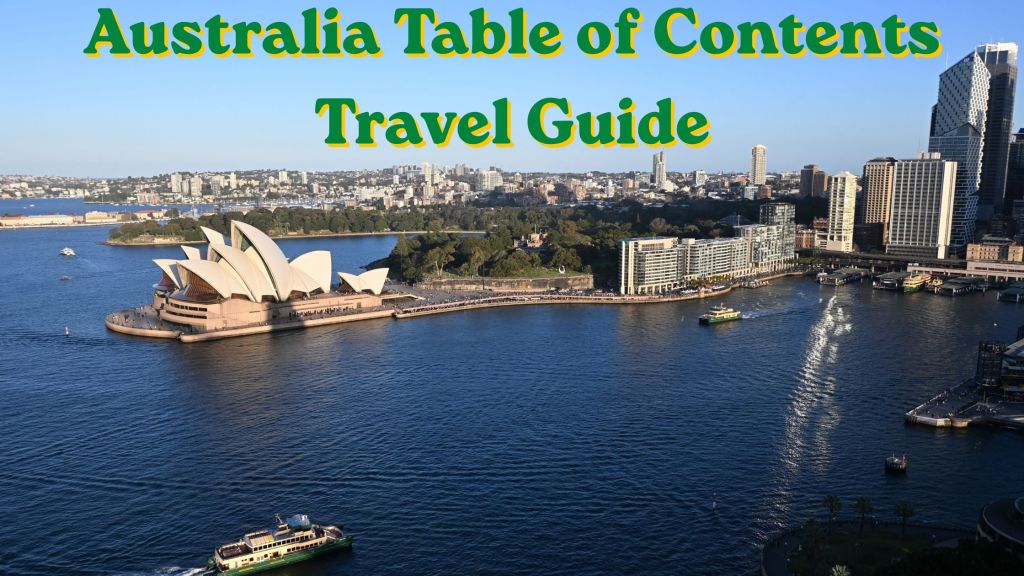
So, What Does “Australia TOC” Mean?
A table of contents and jumping-off point for hopefully the beginning of planning your own trip to Australia. I’ll share how I planned the trip, how we traveled around the country, where we stayed, and what we packed. At the bottom, you’ll find links to more specific posts about the places we visited.
- 🌡️ Travel Month – July: Australian Winter
- 🧳 Clothes Packing List
- 💳 Credit Card: United Explorer
- 📍 Locations
- ✈️ 🚙 Transportation 🚊 🚌
- 🏠 Accommodations
- 📱 Phone Service: T – Mobile
- 🍽️ Restaurants
- 💭 Final Thought
- 🦘 More Australian Blogs 🐨
So Why Australia?
I guess we have to go all the way back to the summer of 2013/2014. For two summers, I worked at a sleepaway camp in Pennsylvania for six weeks. The camp hired a lot of international staff, which meant you met people from all over the world, became friends, and then had to see what happened with those connections once the summer ended.
During that time, I got to know Jackie from Australia. We stayed in contact through Facebook and postcards. She eventually came back to the United States to visit and stayed with us. We continued to snail-mail each other about our lives, travels, and everything in between.
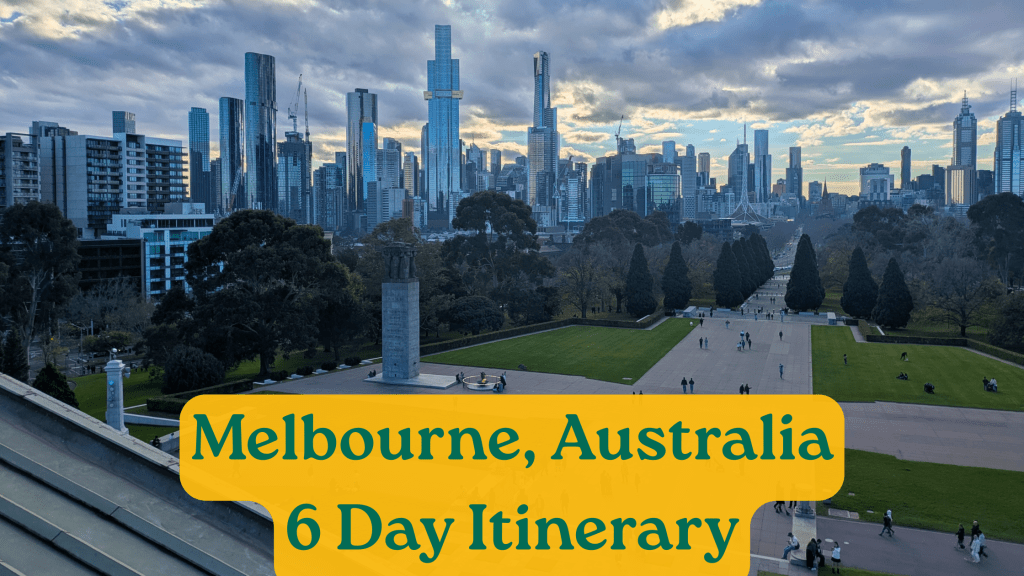
On my end, I was always promising that we’d make it to Australia someday. 2026 was the year we finally made that promise happen. Our first stop was Melbourne, where we got to visit Jackie.
The pure joy of seeing a friend you haven’t seen in years is difficult to put into words. The feeling of leaving and saying goodbye to that same friend, not knowing when you’re going to see each other again, is even harder to describe.
We left with a new promise: she has to come back and visit us in the States.
🌡️ Travel Month – July: Australian Winter
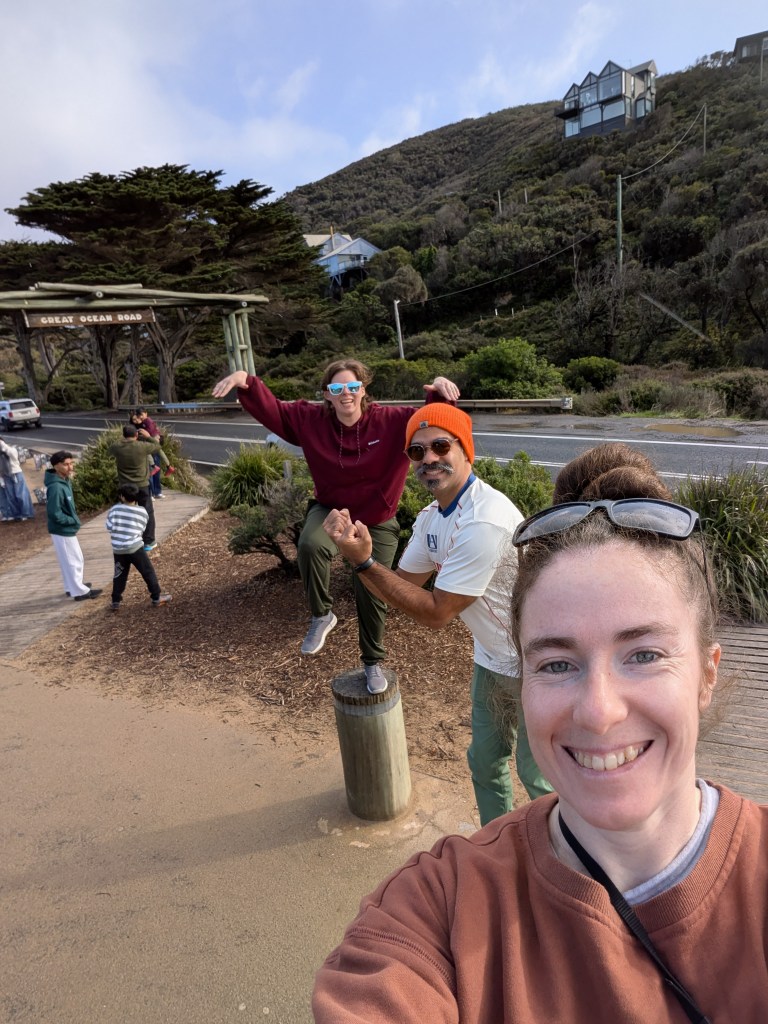
When reading this post and the other Australia posts to come, keep one very important thing in mind: we traveled during July, which is Australia’s winter and part of its off-peak travel season. I think this was one of the main reasons we fell in love with Australia so quickly. The temperatures were comfortable, there were very few bugs, we didn’t constantly have to worry about getting sunburned, and many places were noticeably less crowded. We generally prefer traveling during off-peak seasons because we enjoy the quieter atmosphere, fewer crowds, and the feeling that we’re able to experience a destination a little more intimately. We’re willing to sacrifice “perfect” weather for a better overall experience, and Australia’s winter ended up being a pretty great trade-off for us.
Traveling during winter while covering Northern, Southern, and Eastern Australia also meant we needed to pack a much wider variety of clothing. Swimming temperatures weren’t always ideal, but that didn’t stop us from jumping into the water whenever we had the opportunity. Coming from New Jersey, we’re already used to colder ocean water, so the cold rivers and beaches weren’t enough to stop us. In fact, we stayed in the water long enough that we definitely stood out as tourists.
🧳 Clothes Packing List
This trip was definitely different from our usual packing strategy. We needed winter gear, base layers, sweatshirts, raincoats, swimsuits, and layers for everything in between. We chose not to bring our traditional winter jackets because we didn’t want to carry bulky coats around the country. Instead, we packed Under Armour fleece base layers, jeans, fleece sweatshirts, and fleece beanies. That wasn’t quite enough for Melbourne, but thankfully, that was where our friend lived, so we were able to borrow some additional layers to help us deal with the colder weather.
I also brought a fleece-lined raincoat, which worked really well in most places but was definitely too warm once we reached Cairns and Cape Tribulation. We packed two swimsuits so we could alternate them rather than putting on a cold, wet swimsuit the next morning.
This was probably the most clothing we’ve ever packed for a trip. Thankfully, we had two checked bags. Normally, we try to travel with backpacks and stick to overhead space on planes, but for this trip, the extra luggage was worth it. It also gave us room to bring home souvenirs that we normally wouldn’t have had space for.
For shoes, we brought two pairs so we could alternate them. We tend to walk a lot when we travel, at least 15,000 steps a day and sometimes as many as 30,000. So have that second pair of shoes is important to us. We packed flip-flops (thongs), water shoes, and house slippers. We didn’t need the water shoes nearly as much as we thought we would, but they were helpful in places with rocky riverbeds and swimming areas. If you’re trying to pack light, you could skip them.
And, as always, while packing, we found ourselves throwing in an extra shirt here and an extra pair of pants there. Don’t. Remind yourself that you never need the extra stuff. You will survive. We did end up using everything we packed, but we absolutely could have lived with less.
Interestingly, the hats and base layers ended up serving another purpose on the way home. We used them as padding around souvenirs and glass items in our checked luggage, so they actually came in handy for protecting the things we brought back with us.
💳 Credit Card: United Explorer
With the amount of travel we planned to do, we knew we were going to need checked luggage. We were packing winter clothing, swimwear, rain gear, and layers, so traveling with just a carry-on wasn’t realistic for us.
We decided to sign up for the United MileagePlus Explorer card. Yes, there is an annual fee of $150, but at the time of our trip, the cost of checking two bags was already going to be significant. The card also offered several benefits that made it worth it for us, including a free first checked bag for both the cardholder and a travel companion, priority boarding, two United Club passes, a credit toward Global Entry or TSA PreCheck, and no foreign transaction fees. We had such a positive experience using the card on this trip that we plan to keep it.
📍 Locations
One of the biggest advantages of being teachers is having the ability to plan longer trips during summer break. When you’re traveling all the way from the United States to Australia, two weeks just isn’t enough for us.
We spent about a week in Melbourne and then generally spent three to five days in each of the other destinations.
- Melbourne
- Cape Tribulation
- Cairins
- K’Gari
- Brisbane
- Gold Coast
- Byron Bay
- Yamba
- Sydney
We generally try to stay at least two full days in each location, with separate travel days before or after when possible. For us, arriving somewhere, unpacking, exploring for one day, and then immediately repacking is too much. We’d rather have enough time to actually experience a place without constantly worrying about the next travel day. That was especially important on this trip because we were carrying significantly more luggage than we normally do.
How did I end up picking these places out? Well, my process starts with adding bookmarks to Google Maps of anything I find interesting or want to do.
Then I look at all the dots on the map and, like a kid putting together a puzzle, I try to connect them. The locations with the most bookmarks tend to stay while the random outliers that require a huge detour usually get cut.
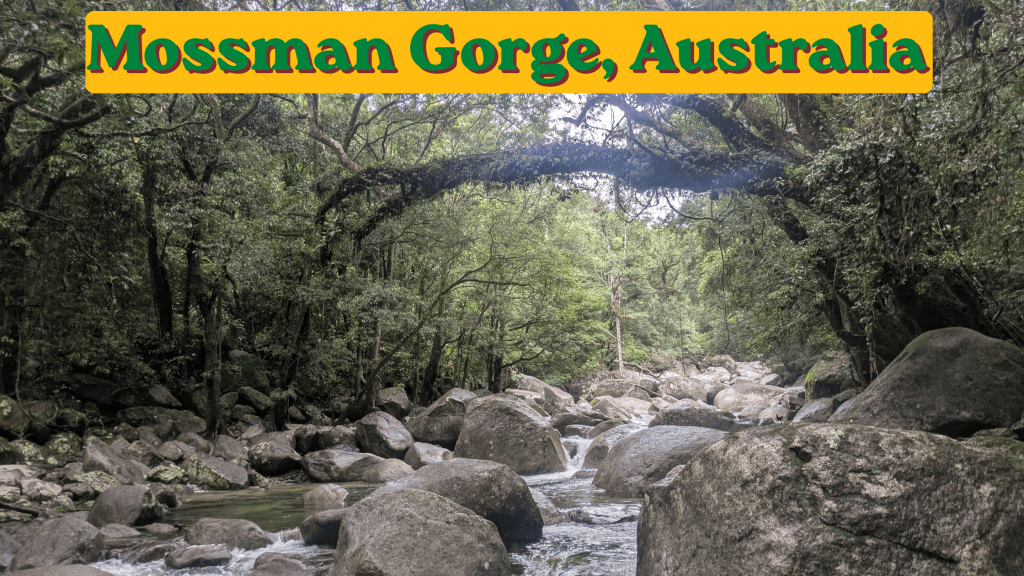
Our travel route: Fly to Melbourne → Fly to Cairns → Drive to Cape Tribulation → Drive around Cairns → Fly to Brisbane → Greyhound to Rainbow Beach → K’gari Tour → Greyhound down the East Coast → Brisbane → Gold Coast → Byron Bay → Yamba → Sydney → Fly Home.
Post Travel Views: Would I change anything?
Absolutely not. We had a wonderful time and loved every minute of the trip. Before leaving, I had a hard time worrying about what we might miss. What if we should have gone to this town? What if we skipped that attraction? What if we didn’t see enough? But you can feel that way anywhere.
At some point, you have to stop focusing on everything you didn’t see and enjoy everything you are going to experience.
There will always be another trip. There will always be another place.
Places we almost added:
There were a few places that were originally on my list but just didn’t fit into this particular trip. I don’t really consider them places we “missed” because I know we’ll include them on a future trip. Sometimes you have to make those decisions when planning a trip, especially when you’re trying to balance how much you want to see with how much time you actually have.
Whitsundays was originally on my list, but it was an outlier between Cairns and Brisbane. We wanted to fly from Cairns to Brisbane rather than add additional transportation days, and I didn’t want to complicate the itinerary just to squeeze in another destination. Several people we met during the trip had visited and absolutely loved it, and the day sailing trips came highly recommended.
Hervey Bay is relatively close to Rainbow Beach. We ended up choosing Rainbow Beach because the company we picked for our K’gari camping trip was based there, which made the logistics much easier. We were traveling during whale migration season, and several people we met told us that Hervey Bay is an incredible place for whale watching. They described it as having an almost unbelievable number of whales during the season. One person even called it “whale soup.” 🐳
I also originally considered adding the Blue Mountains to our Sydney itinerary. At the time, I didn’t want to rent another car or pay for another tour or excursion, so we left it off the list. In hindsight, I’m actually glad we skipped it. By that point in the trip, our feet were exhausted and we were tired. If we had forced another excursion into the itinerary, I don’t think we would have enjoyed it as much as we should have.
✈️ 🚙 Transportation 🚊 🚌
Originally, I thought Melbourne to Sydney would be something like a four-hour drive. We vastly underestimated the size of Australia. Melbourne to Sydney is closer to a 10-hour drive. That was one of our first lessons in Australian geography. Once we understood just how large the country actually is, we knew we needed to plan strategically.
Melbourne to Sydney is closer to a 10-hour drive.
Our transportation plan became: Fly into Melbourne → fly to Cairns → fly to Brisbane → Greyhound down the East Coast → finish in Sydney.
Flights: ✈️
We flew with Virgin Australia and made sure our baggage allowance included the two checked bags we needed. Australian airports also felt significantly smaller and easier to navigate than airports like Newark (EWR) and Los Angeles (LAX). They were refreshing, easy to navigate, manageable, and had very few lines. That may have been partly because we were traveling during the off-season, but either way, we really enjoyed the experience.
Rental Car: 🚙
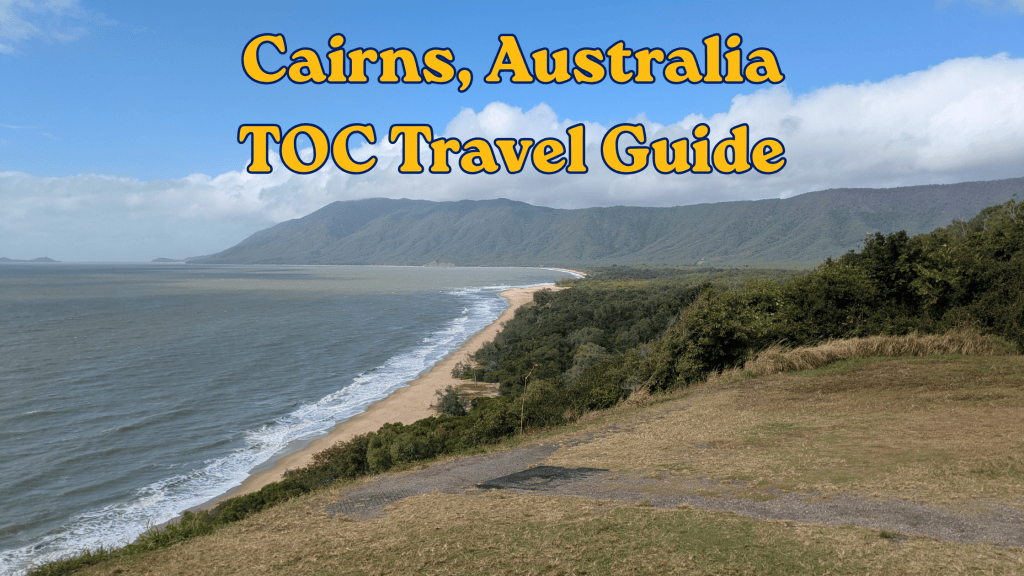
The only place we rented a car was Cairns. Public transportation is limited in the Cairns area, and having a car was necessary for the places we wanted to visit, especially because we wanted to explore the Daintree Rainforest and Cape Tribulation. Having the car gave us the freedom to explore on our own schedule and reach places that would have been much more difficult, if not impossible, to get to without one.
Public Transportation: 🚊
Everywhere else, public transportation was surprisingly easy to navigate. One thing we really liked was being able to tap on and off with our credit card instead of having to get a local card for each location we visited. That made getting around incredibly easy and meant we didn’t have to worry about figuring out another transportation system everywhere we went.
Greyhound East Coast Whimit Pass: 🚌
I honestly cannot speak highly enough about our experience with the I honestly cannot speak highly enough about our experience with the Greyhound East Coast Whimit Pass. We purchased a 21-day pass, and it made traveling down the East Coast incredibly easy. Once you have your account, you can manage your bookings and add the stops you want along the route. The buses also had two things that were huge selling points for us: onboard bathrooms and free Wi-Fi. We were very happy to have both.
You didn’t need to constantly show a physical ticket or pass when boarding. Each driver had a tablet with the passenger list and checked people off as they boarded. Booking the buses was easy, and we could change seats or look for alternate departure times when necessary.
The buses were generally on time, and if you were concerned about where your bus was, Greyhound also had a tracker where you could enter the bus number and see its location. The only time we couldn’t really use the tracker was when we were the first stop on the route.
We were traveling during the off-season, so many of our buses had very few passengers. I imagine that during peak season, having more people and luggage could mean longer loading times and potentially more delays. For us, though, the Greyhound pass was fantastic. It took a lot of the mental load out of getting from place to place. We could sit back, rest, regroup, and enjoy the scenery between destinations. Financially, the pass had already paid for itself by the time we made our first trip from Brisbane to Rainbow Beach.
🏠 Accommodations
Airbnb:
We’ve been using Airbnb for more than a decade, and it’s still our preferred way to travel. We generally look for shared Airbnb accommodations where we have a private bedroom in an apartment or house. It’s often significantly cheaper than staying in a traditional hotel, and depending on the listing, you may also have access to a kitchen, towels, and laundry.
Having access to a kitchen or even a mini fridge in the room is a must for us. We generally eat breakfast where we’re staying, usually something simple like yogurt, and pack sandwiches for lunch. Then dinner is when we usually eat out. It helps keep our overall food budget under control without feeling like we’re eating three meals out every day.
We’re out exploring for most of the day, so we don’t need a luxury hotel room. For us, we really just need a place to shower, sleep, and recharge.
Hostels:
We stayed in hostels for a few different reasons. We arrived late in Cairns, and instead of picking up a rental car late at night and immediately starting the roughly three-hour drive north toward Cape Tribulation, we booked a local hostel for the night. It gave us a chance to get some sleep and start the drive the next morning.
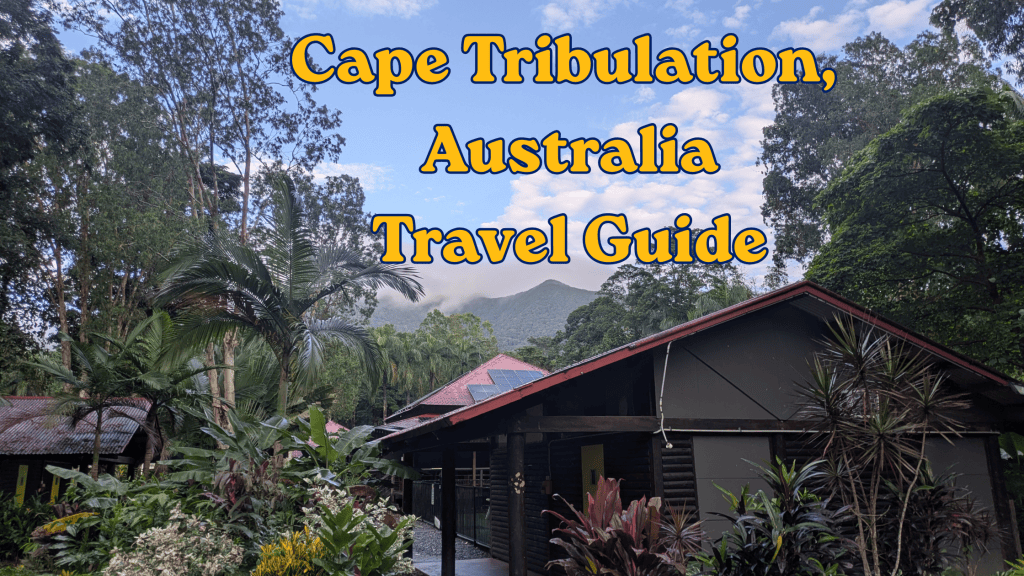
For Cape Tribulation, we originally weren’t planning to stay overnight. After talking to a friend’s friend, she strongly recommended staying at least one night in the Daintree Rainforest. I’m very glad we listened. Since we changed our plans relatively close to the trip, though, our accommodation options were limited, so we ended up choosing a hostel.
Our K’gari tour package also included a hostel stay before and after the tour, which made that portion of the trip particularly convenient. Having the accommodation already built into the package meant one less thing we had to coordinate ourselves.
Trusted House Sitters:
We originally signed up for TrustedHousesitters hoping we’d be able to book at least one house sit during our trip. Unfortunately, it didn’t work out for us. Our itinerary was already structured around specific destinations and activities, it was difficult to find house sits that matched our exact dates and locations.
Even when we found one that worked, the listings were competitive with multiple applicants. Since we were traveling internationally rather than being local, we weren’t selected for a pet sit. And that’s okay. We still really enjoy house sitting, and we’ve already had previous positive experiences with it.
If you’re interested in trying it out, click on my referral link below:

📱 Phone Service: T – Mobile
We have T-Mobile, and our plan gave us international text and data coverage in Australia, so we didn’t purchase a local SIM card. Instead, we relied heavily on Wi-Fi and downloaded maps ahead of time. Google Maps was our primary navigation tool, with Organic Maps as our secondary option. We knew ahead of time that we wouldn’t have reliable Wi-Fi at our accommodation in Cape Tribulation, so we made sure to download maps of Cairns and the surrounding area before heading there.
We’ve traveled overseas with T-Mobile before and have always been happy with the coverage. Aside from using our phones for taking photos and navigating, we really didn’t need much more. Internet speeds weren’t always amazing, but we weren’t in Australia to stare at our phones.
🍽️ Restaurants
One of the biggest differences we noticed when eating out in Australia was how different the restaurant experience felt compared with the United States. Australia has a very different tipping and restaurant service culture, and the overall experience felt much more at your own pace rather than being heavily service-driven.
At many restaurants, you don’t necessarily wait for a host to seat you. You may simply find an available table unless it has a reservation sign. Depending on the restaurant, you might order through a QR code, at the bar, or at a register. Sometimes you give them your table number, or they give you a buzzer or numbered card to place at your table. You also frequently pay when you order rather than waiting until the end of the meal.
One of the biggest differences? No constant table checks. Nobody was repeatedly coming over to ask how everything was, and honestly, we didn’t really miss it. Water and utensils may be self-serve or brought to your table, depending on the restaurant. There’s also no need to wait around for a check at the end. Once you’re finished eating, you simply leave. It felt much more relaxed and gave us the freedom to enjoy our meal without feeling like we were on someone else’s schedule.
One huge difference we noticed pretty fast was Sunday Surcharges and Public Holiday. They generally range from 10% to 15%, designed to offset higher staff pay rates on these days.
Two things we noticed is that Australians love a good Hawaiian Pizza and are obsessed with Chicken Parmi’s.
💭 Final Thoughts
This trip required a huge amount of preparation. I don’t really leave things up in the air when I travel or make many last-minute plans. Our itinerary included planned excursions, transportation, accommodations, and flexible days built into the schedule. I booked all our flights, accommodations, excursions, and Greyhound trips well before we left, which meant that once we were actually on vacation, the only things we really needed to worry about were food, local transportation, and souvenirs. I know that’s not everyone’s preferred way to travel, but it’s definitely my method to my madness. I like having most of the trip paid for before we leave. Instead of coming home to one giant vacation bill, the majority of our expenses have already been spread out and paid for. It also meant that once we arrived in Australia, we could simply enjoy ourselves.
I would go back to Australia in a heartbeat. I do think we fell in love with their winter, though, and I’m not sure how I’d feel about the crowds, business, and heat of peak summer travel. If I had the choice, I’d probably choose the Australian winter again.
Next time, I’d love to explore more of the Outback, Western Australia, Perth, and Uluru. But that’s the thing about travel: every place is unique and beautiful in its own way, and there is always more to discover.
🦘 More Australian Blogs 🐨
This post is just the beginning! I plan to write individual blog posts about the specific places we visited, including more detailed information about what we did, where we stayed, how we got around, and what we thought of each destination. So check back for the individual Australia destination guides.