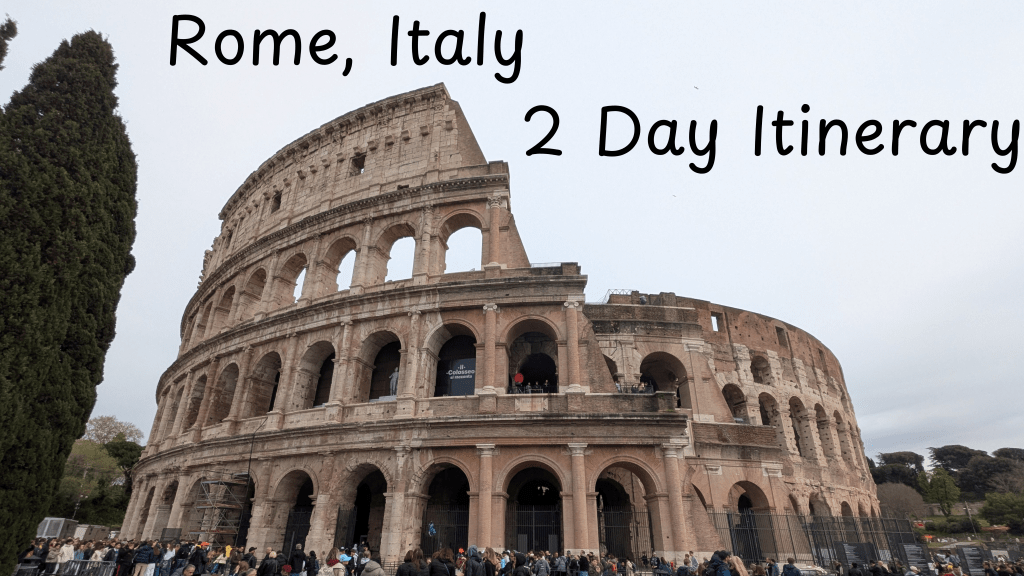
Rome made up the second half of our trip, and it couldn’t have felt more different from London. London came across as polished, while Rome carried a distinct sense of patina. A city layered with age, history, and character in every direction you looked. It felt like every street had a story to tell.
My blog post from London mention’s this, but let’s sum up. This trip was taken with EF Tours which combined London and Rome under a structured itinerary. Because of that, this post focuses on what we were able to see and do within that framework rather than independent travel choices.
Traveling with a tour group meant our schedule was fast paced and efficiently planned, with transportation and logistics handled for us. While that made things easier, it also limited how much time we could spend at each location. We were able to see many major landmarks with local tour guides, but that didn’t always mean we went into every site to explore in depth.
Overall, this reflects our experience within the tour: what stood out, what we enjoyed, and what we’d recommend based on the time we had.
📍 Google Map Bookmark: Include both London and Rome
🗓️ Itinerary: 1 Night, 2 Full Days
Click Arrow for Day to Day Itinerary:
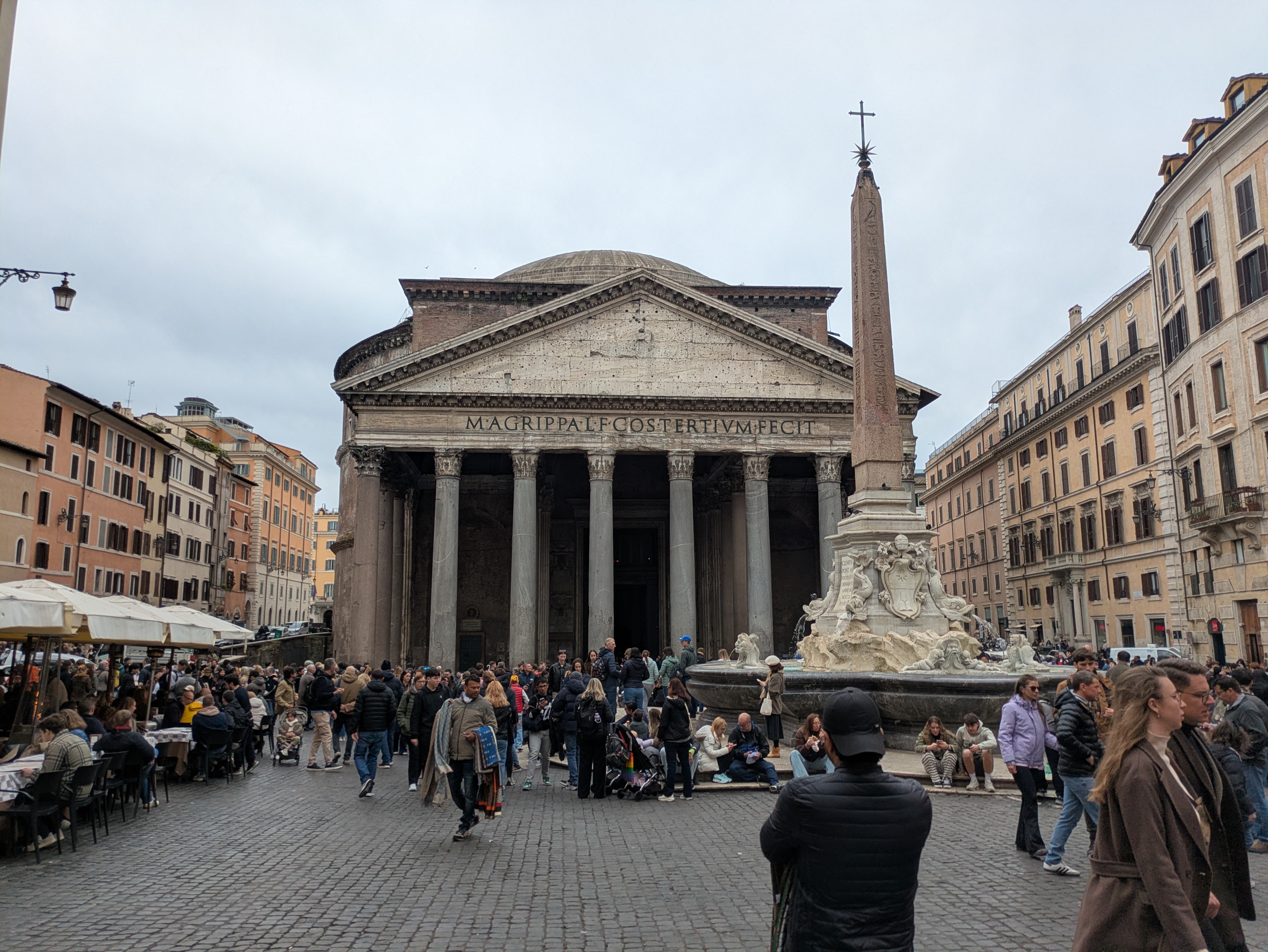
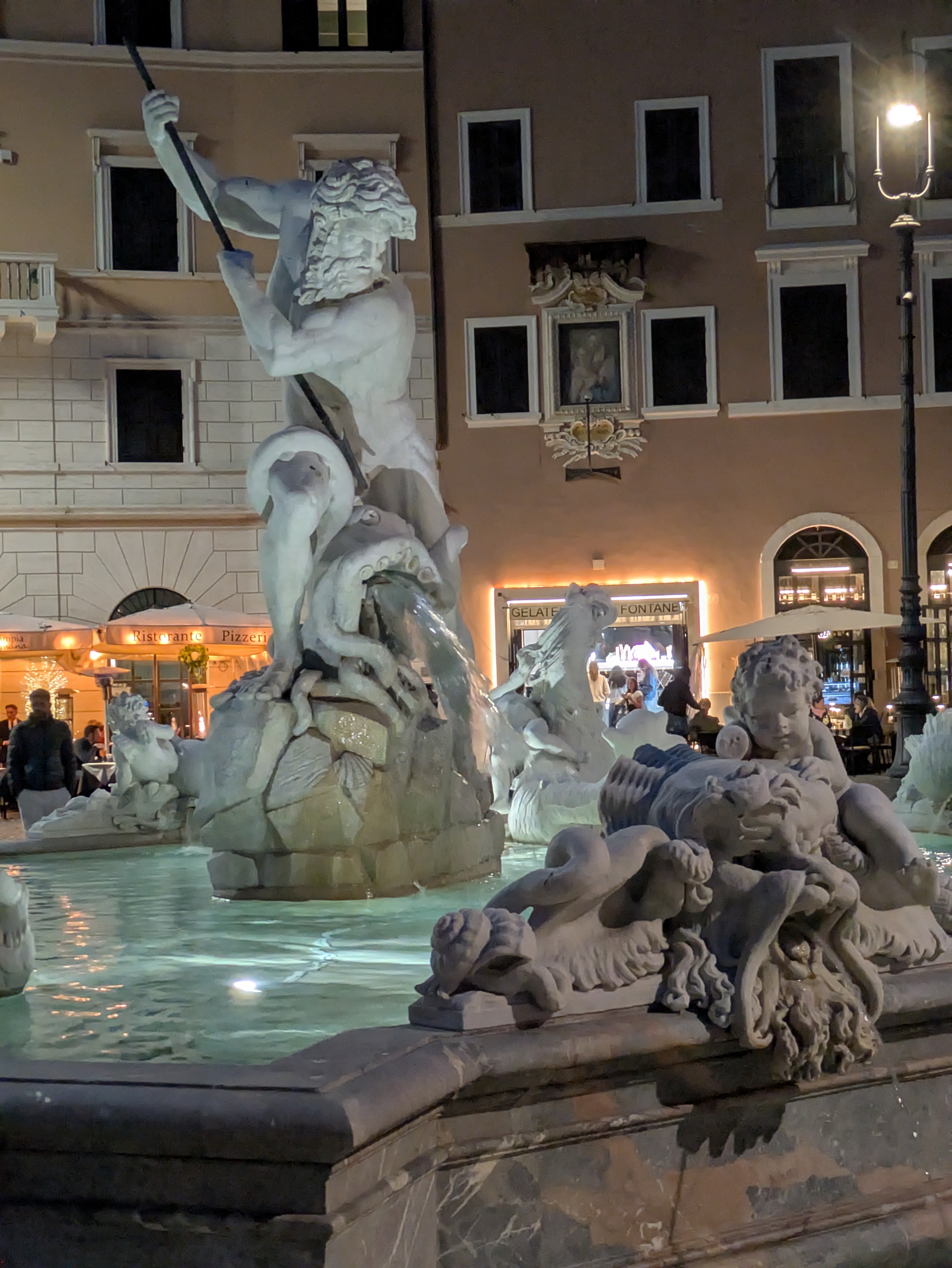
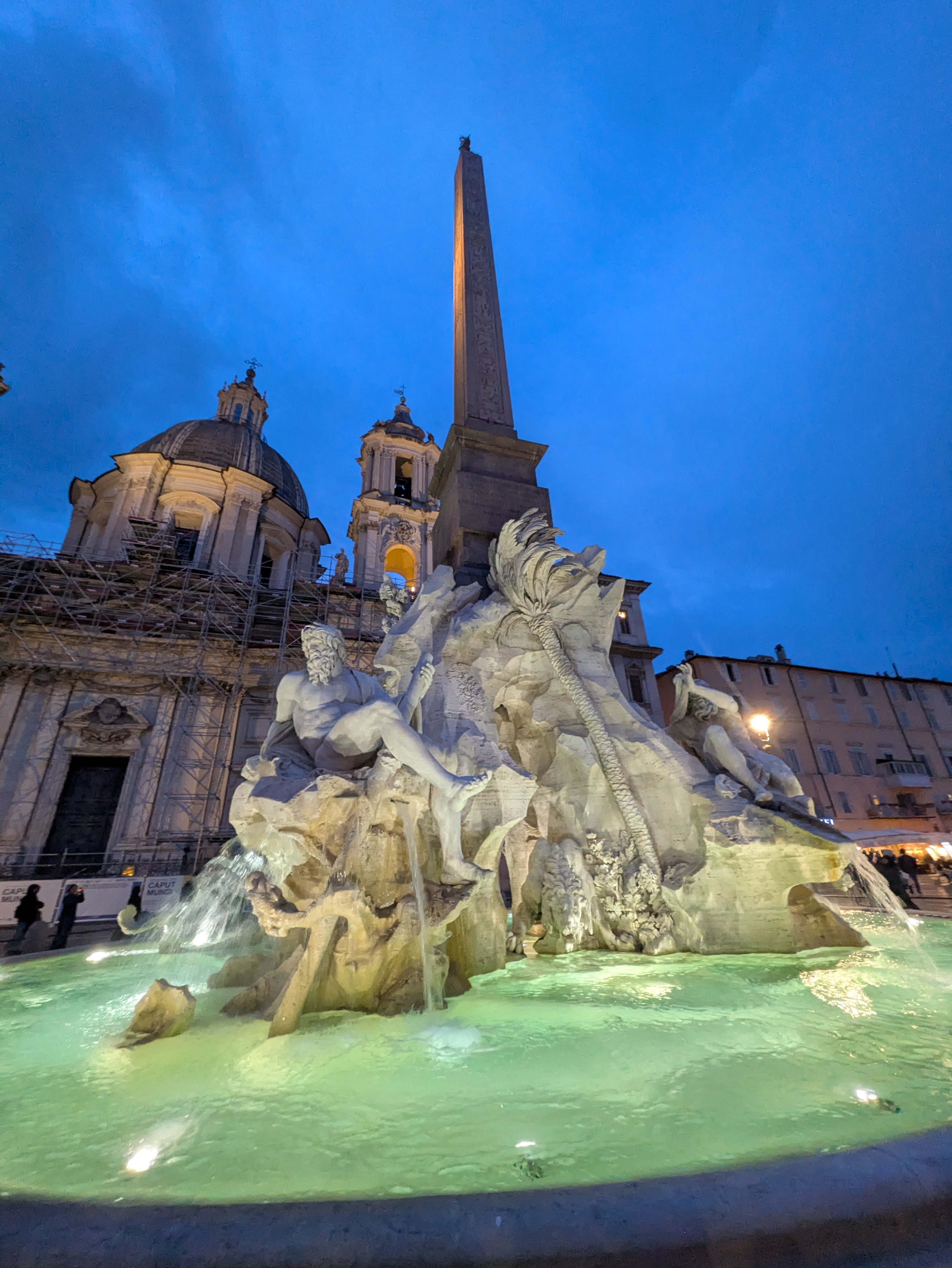
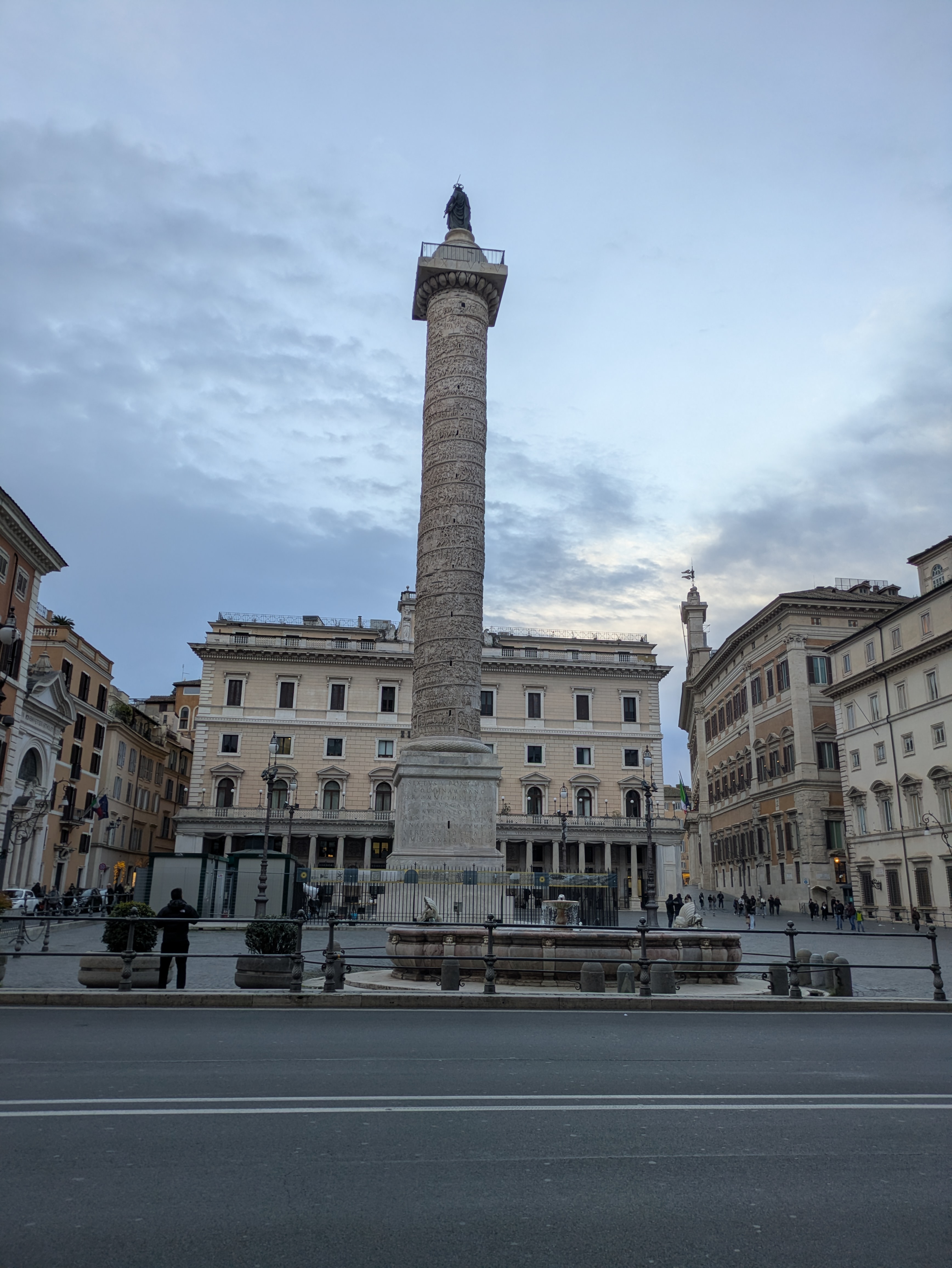
Night Walking Tour: Trevi Fountain, Piazza Colonna, Palazzo Montecitorio, Temple of Hadrian, Pantheon, Egyptian Obelisk, Piazza Navona, Fontana dei Quattro Fiumi.
Day 1:Spanish Steps, Giolitti, Basilica of Saint Mary of Minerva, Tempio di Giuturna, InRome Cooking Class, Colosseum, Arch of Constantine, Roman Forum.
Day 2: Vatican City, Vatican Museums, La Pigna di San Pietro, Sistine Chapel, St. Peter Square Obelisk, Catacombs of Domitilla, Piazza del Popolo.
🇮🇹 Historical Landmarks:
Part of our package was a walking tour with a guide. All of these places were accessible with walking and when in Rome, history is in every step you take. It’s always nice having the guide, but isn’t necessary.
List of Sites
- Piazza Colonna: Column of Marcus Aurelius
- Palazzo Chigi: Prime Minister’s house
- Palazzo Montecitorio: Chamber of Deputies
- Temple of Hadrian
- Pantheon, Egyptian Obelisk
- Senato della Repubblica Italiana
- Piazza Navona: Fontana dei Quattro Fiumi, Neptune Fountain
There’s always more ways to explore Rome. If we had more free time and had known, we would have visited the underground ruins beneath Piazza Navona to explore the Stadium of Domitian. Make sure to do your research before you visit, since there are so many hidden layers everywhere.
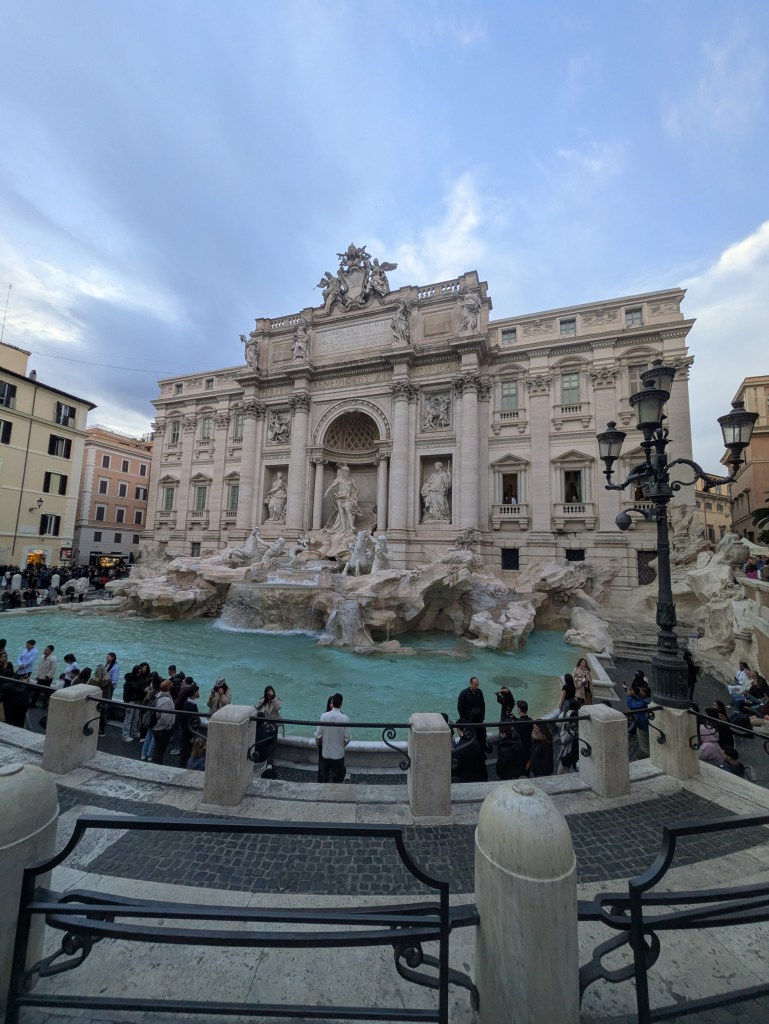
Trevi Fountain: €2 Card Only
Our first stop on the walking tour was the Trevi Fountain. Thankfully, because the weather was colder and it was later in the evening, there wasn’t an overwhelming crowd.
Recently, they’ve enclosed the fountain with a fenced perimeter. You can still take photos from farther back, but if you want closer access to the fountain itself, there’s now a €2 entry fee. Look for the white tent to the right of the fountain, where attendants are stationed between 9 AM and 10 PM.
Once it’s past 10 PM and the entry fee no longer applies, people tend to rush inside the perimeter to grab photos. I’ve also noticed many travelers recommending visits around 4AM for the best chance to experience the Trevi Fountain without the crowds.
I understand both sides of the debate regarding overcrowding, tourism management, and maintenance costs. However the €2 fee feels like a small price to pay for the experience.
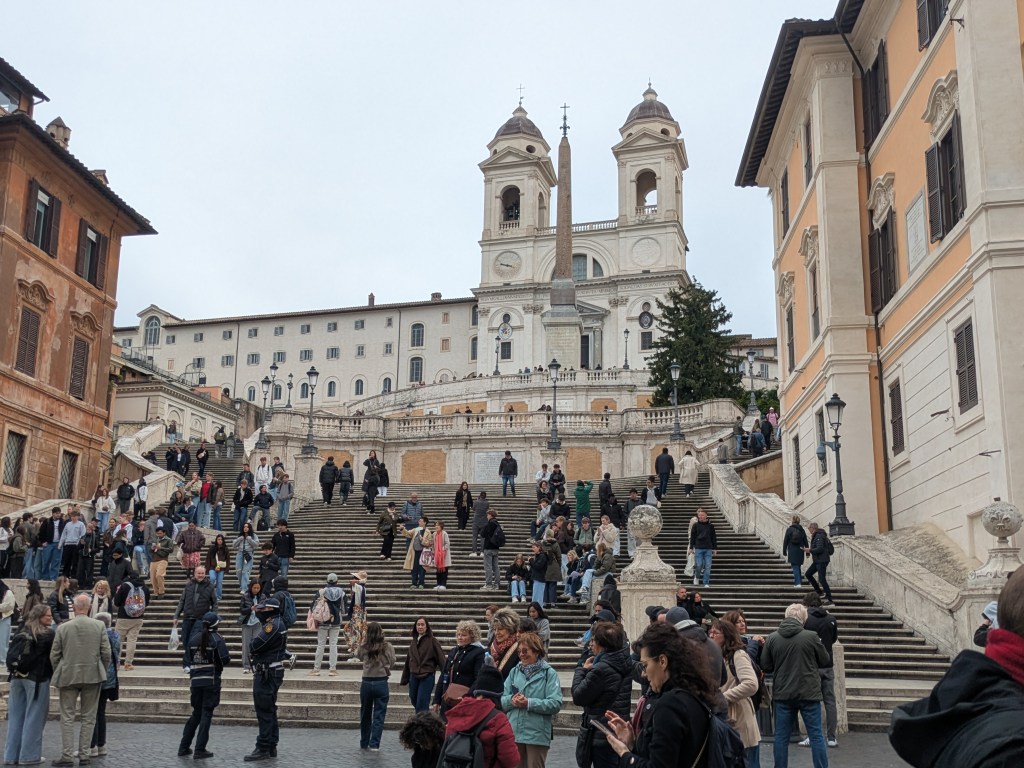
Piazza di Spagna: Spanish Steps
The Spanish Steps are a masterpiece connecting the French church above with the Spanish Embassy below. Historically, the space served as a neutral and elegant gathering place and is now recognized as the longest and widest staircase in Europe. The area remains culturally significant as a hub for artists, Roman fashion, cinema, and tourism.
Over the years, officials have tried to discourage visitors from loitering, eating, and even sitting on the steps. Enforcement has varied, but since 2019 authorities have become stricter, with fines up to €250 for sitting and as much as €400 for damaging or dirtying the steps.
Were people sitting there while we visited? Absolutely.
Did we sit on the steps? Negative.
Piazza del Popolo
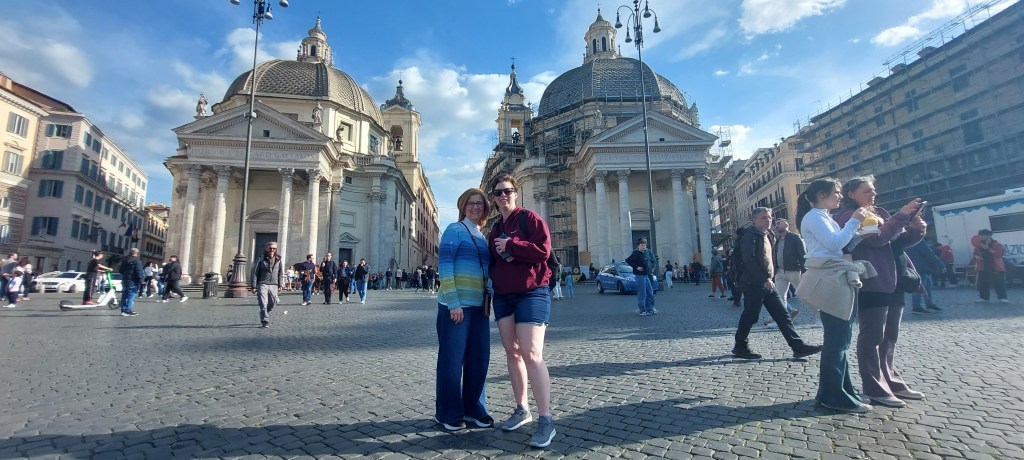
About a ten minute walk from the Spanish Steps, we somehow ended up at Piazza del Popolo. Santa Maria in Montesanto Basilica and Chiesa Santa Maria dei Miracoli frame the square as beautiful twin churches, and this area makes for an incredible photo spot.
We didn’t have enough time to fully explore, but the nearby Museo Leonardo da Vinci looked like a worthwhile stop. The museum features interactive wooden machines built from Leonardo’s original designs, along with videos and exhibits showcasing some of his most famous works.
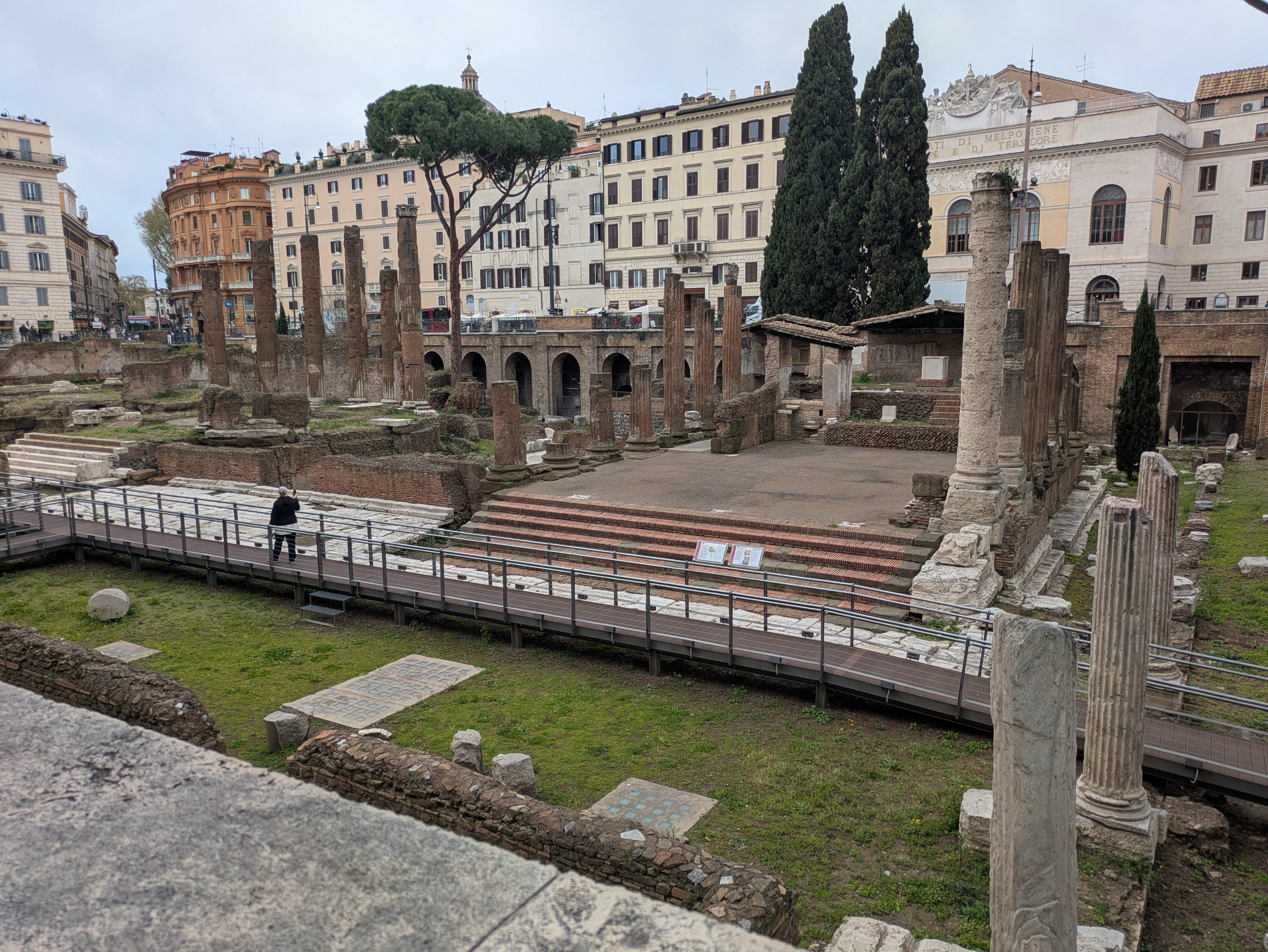
Largo di Torre Argentina/Curia of Pompey: €7
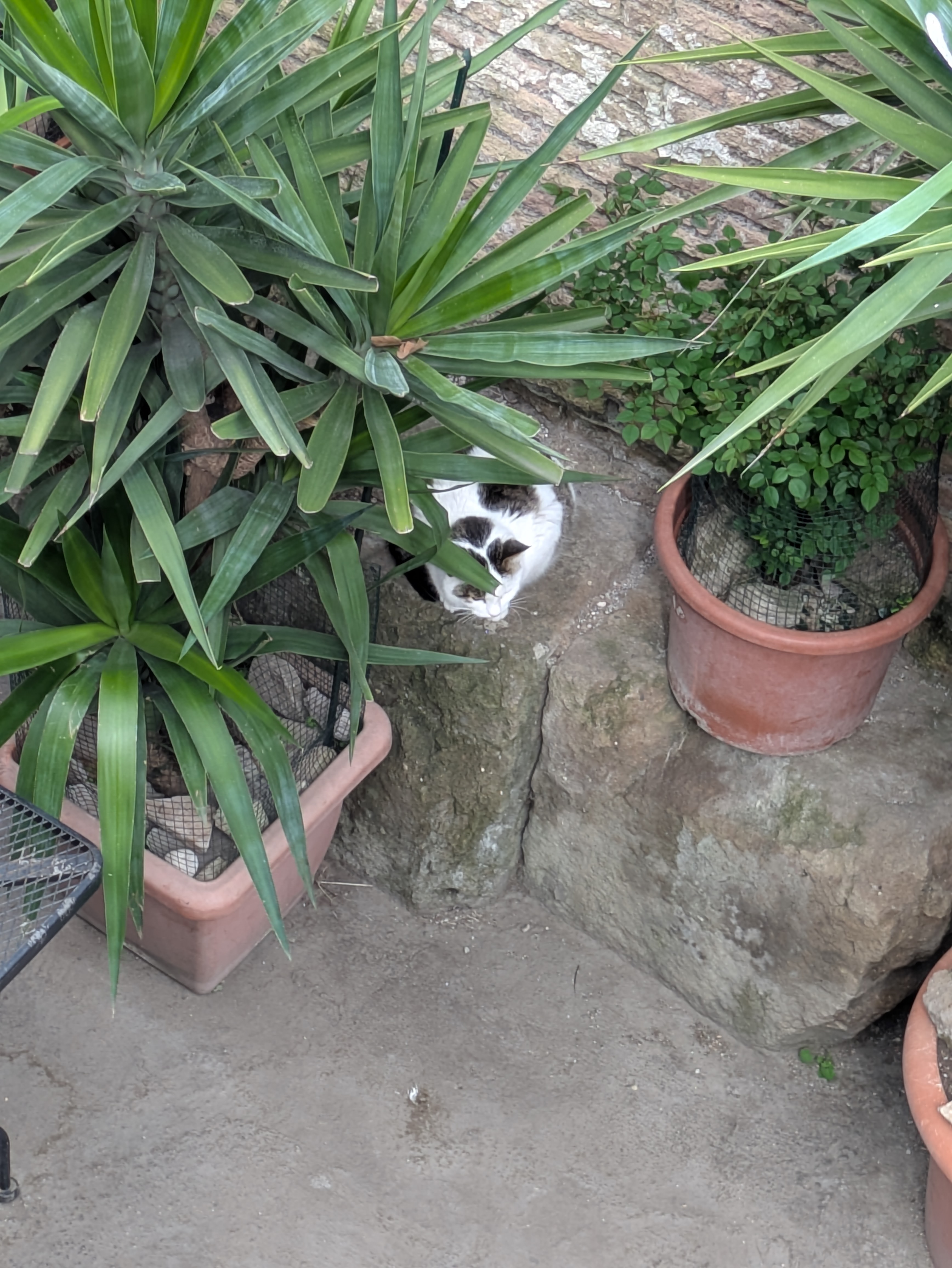
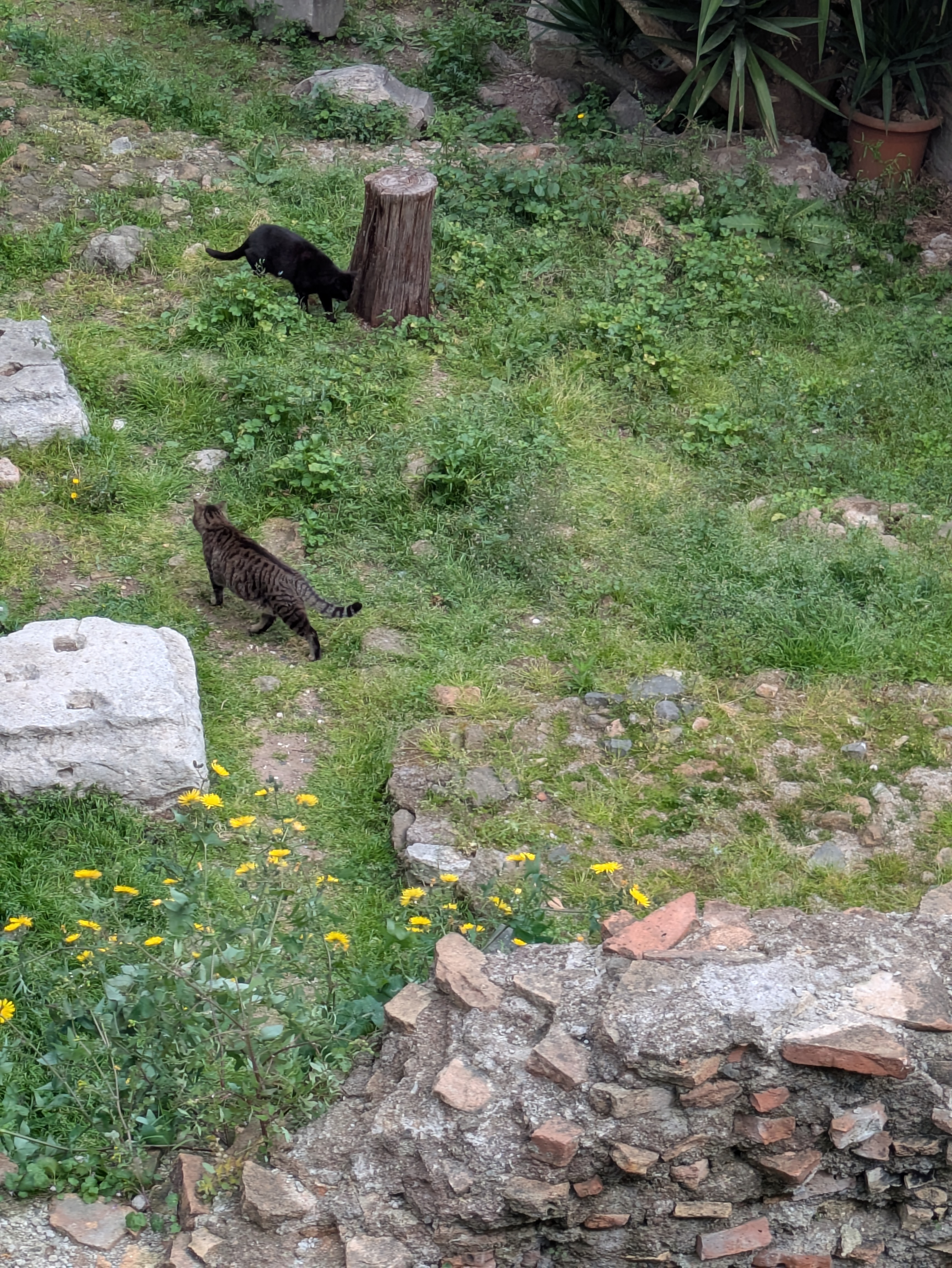
A short walk from the Pantheon, this site combines ancient history with one of Rome’s most unexpected attractions: cats. Here you’ll find the ruins of four Republican-era temples, the Curia of Pompey, and the location traditionally believed to be where Julius Caesar was assassinated. Today, the area also serves as a cat sanctuary.
We mostly admired the site from above, but honestly, seeing the cats wandering through ancient ruins was part of the charm.
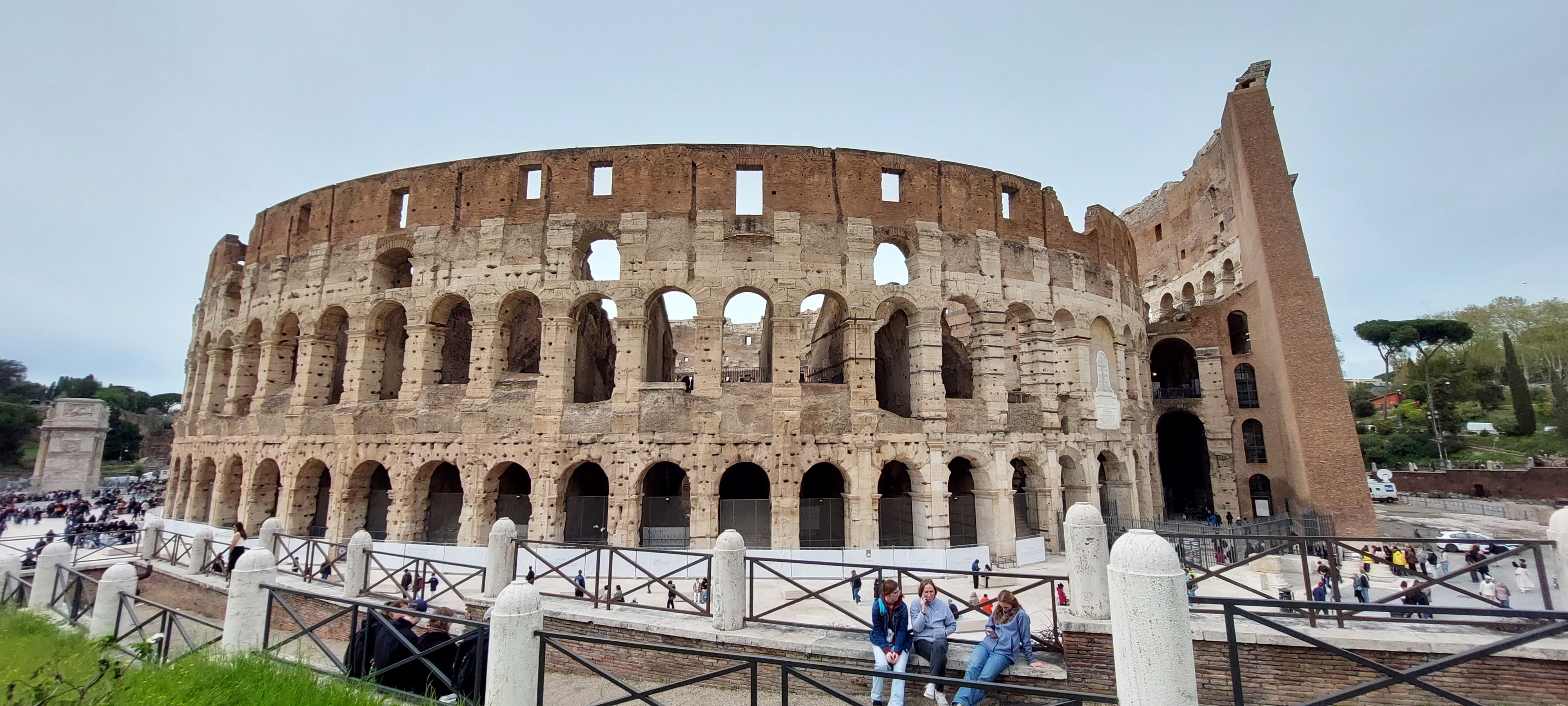
Colosseum/Roman Forum/Arch of Constantine: €18 – 24
One of the biggest perks of booking through a tour company was having guides and skipping the massive entrance lines at major attractions.
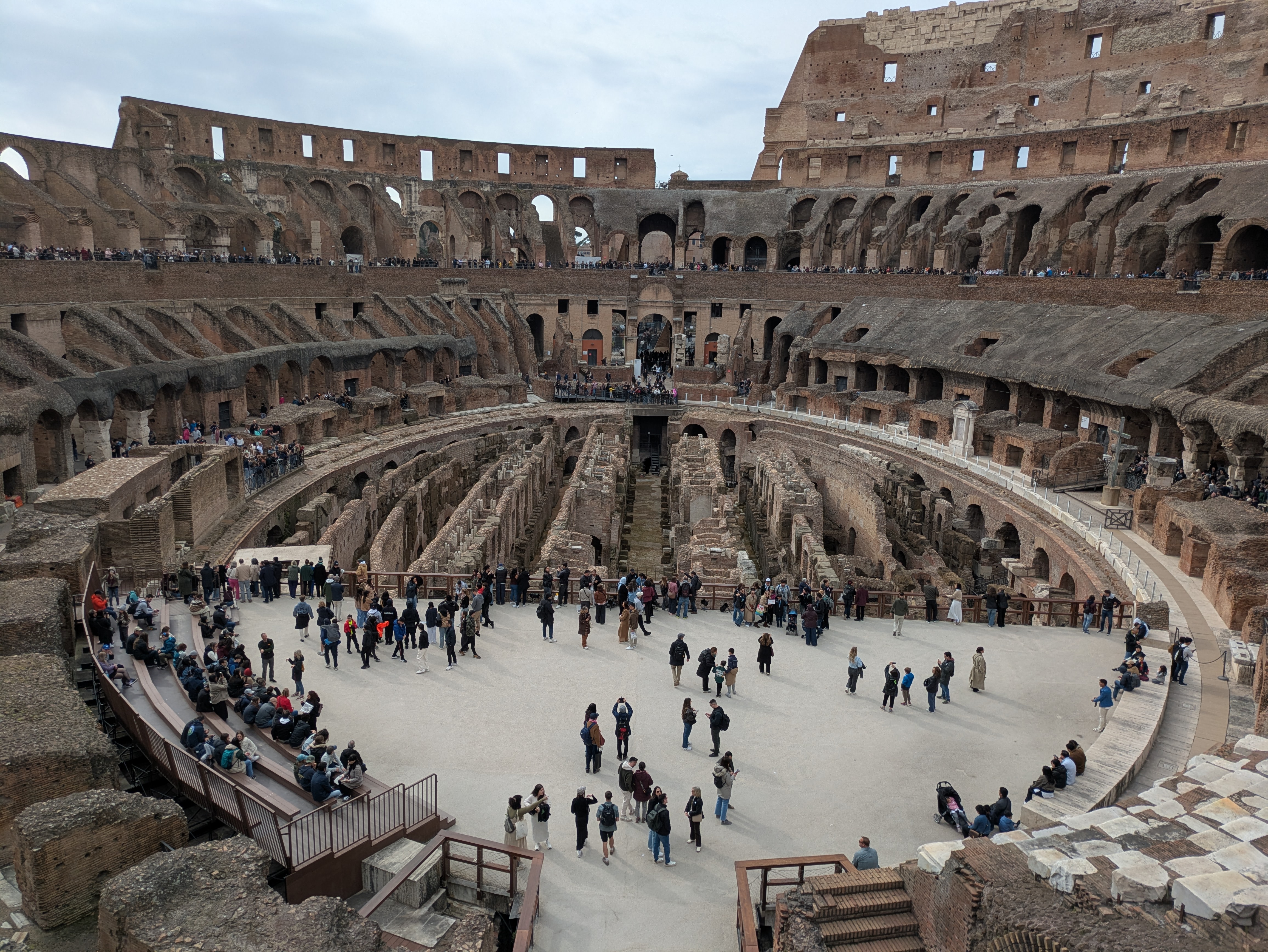
The Colosseum was the site Roe had been most excited to see, and it absolutely lived up to expectations. It’s larger than you anticipate, and seeing the scale, layered architecture, and seating arrangements in person makes you realize how advanced the design really was. Compared to a modern stadium, some things honestly haven’t changed much.
We didn’t have tickets for the underground section, but after seeing it from above, that would absolutely be a priority on a future trip.
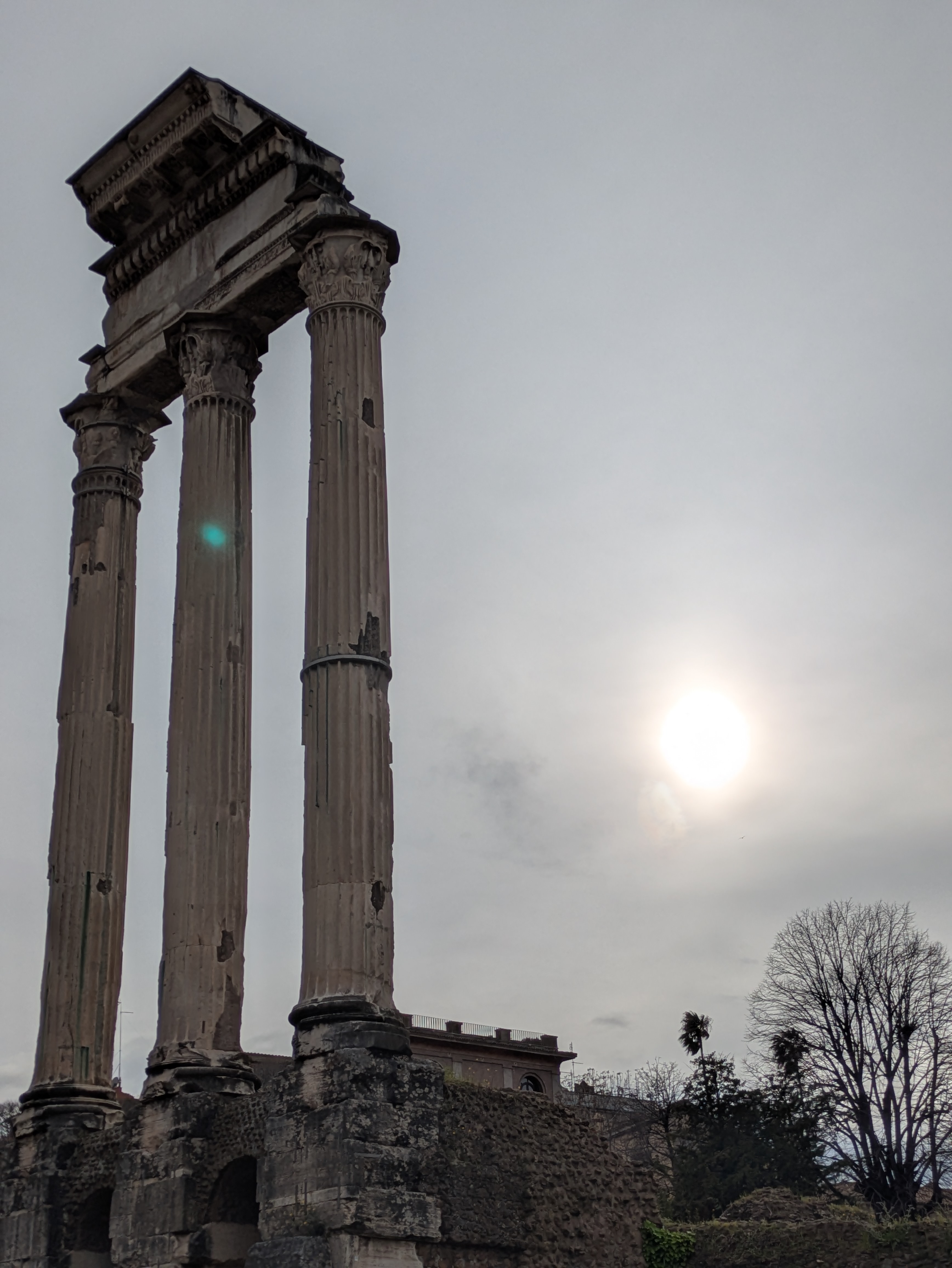
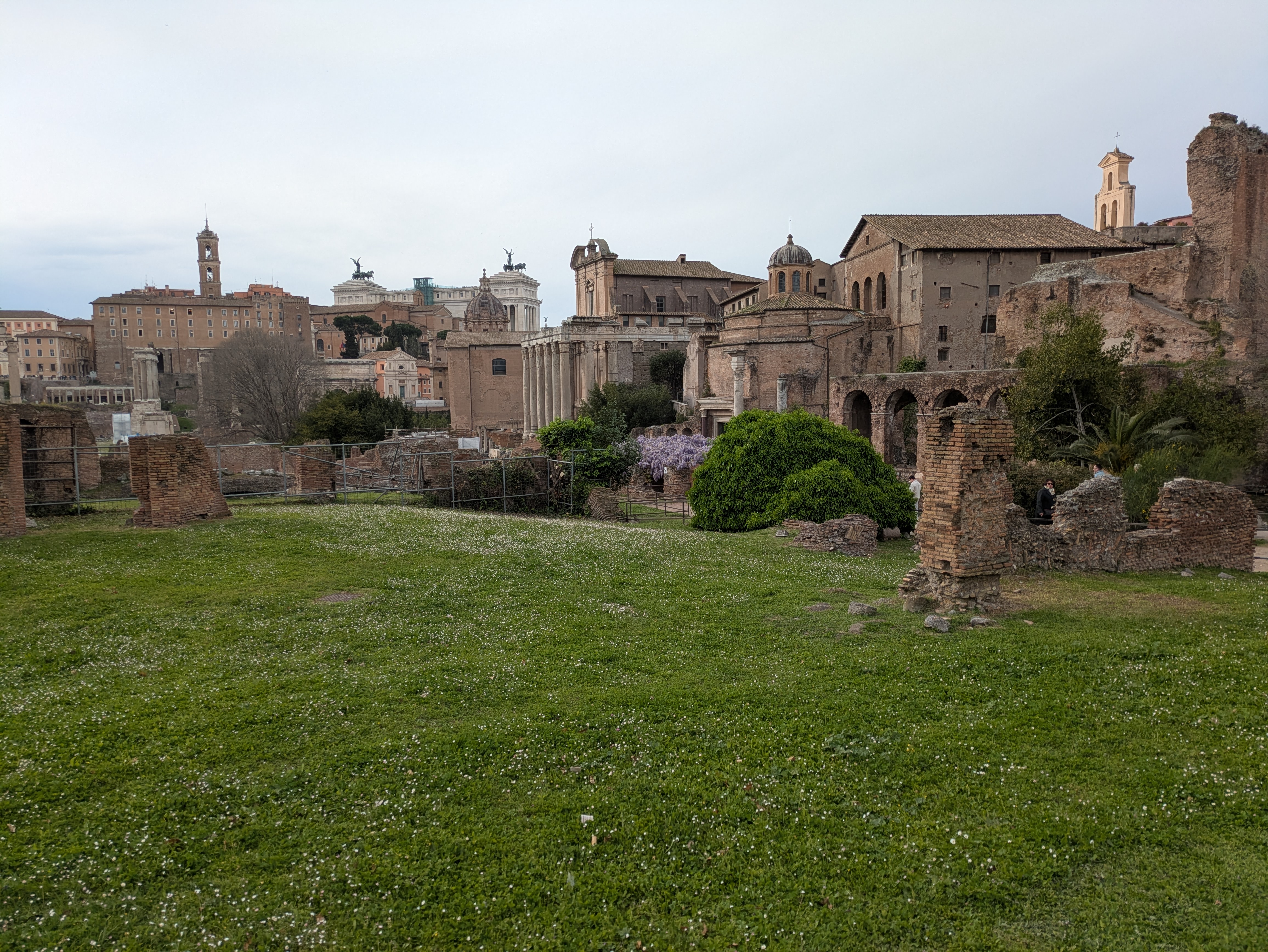
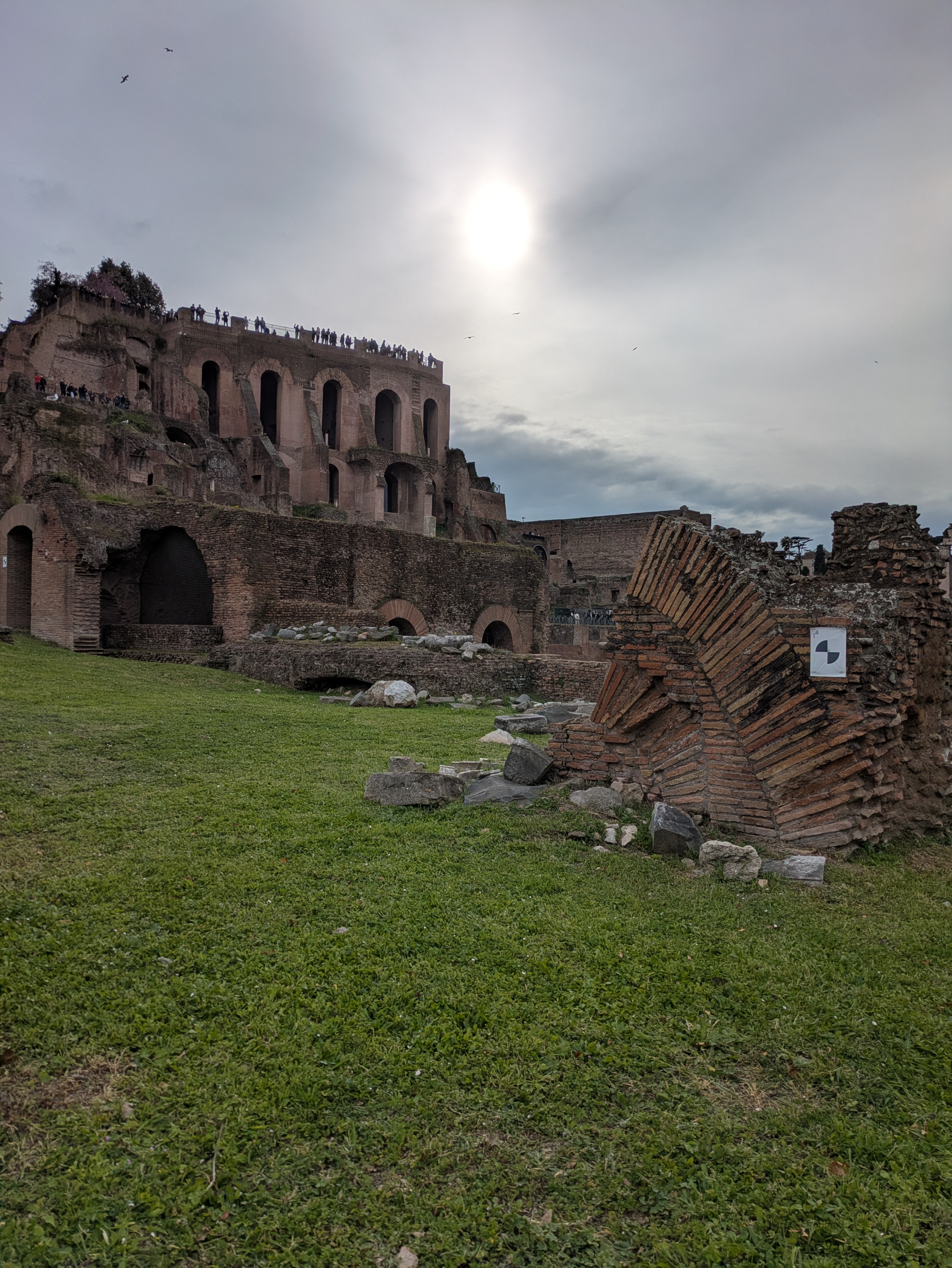
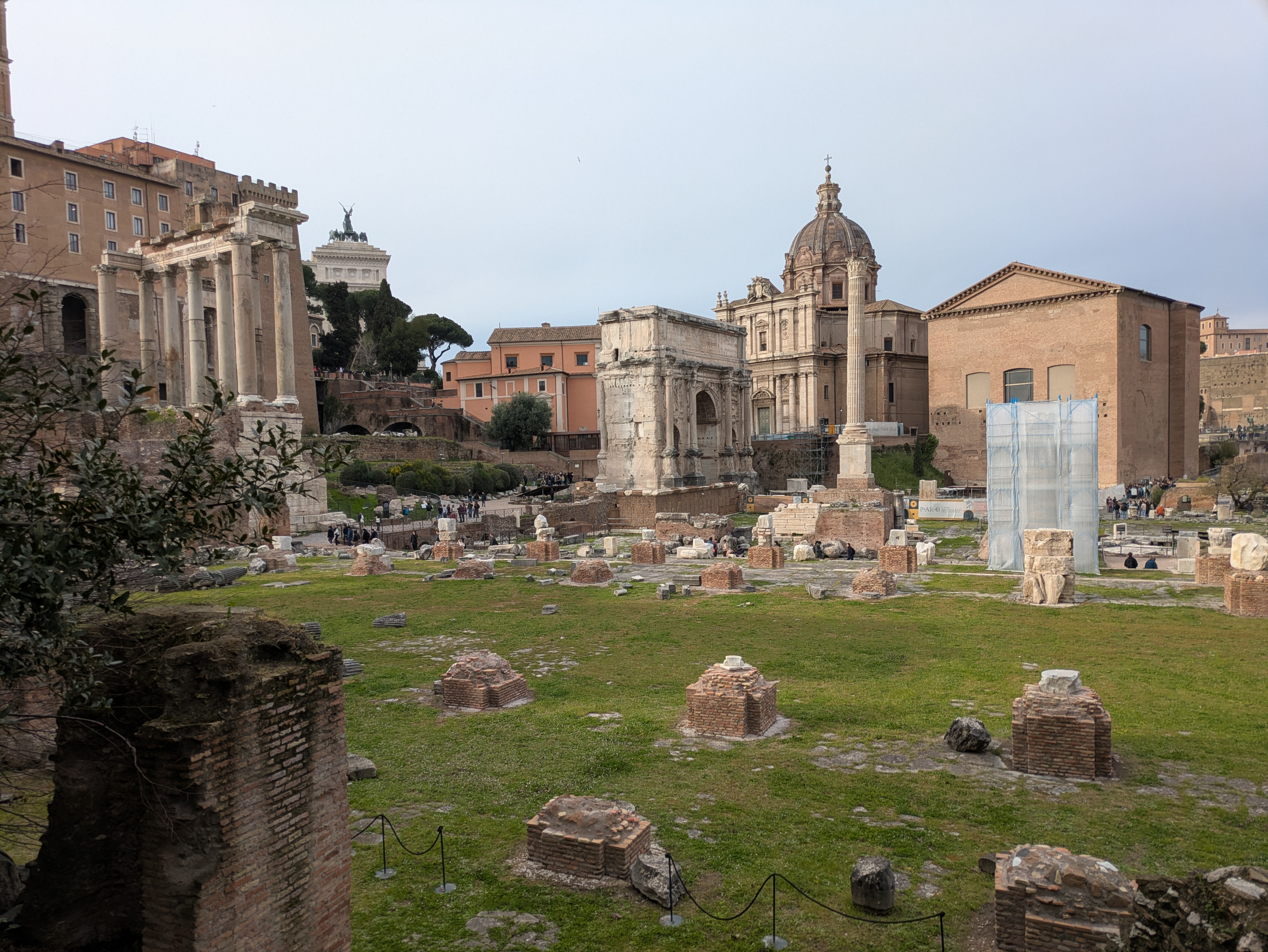
What truly surprised us, though, was the Roman Forum. I think we were caught off guard because we didn’t fully realize what it was and it completely blew us away. The ruins seemed to have stretched endlessly with layers of history around every corner. I could have spent hours there taking photos and still never fully captured it.
This area once served as the center of daily Roman life: processions, elections, public speeches, criminal trials, commerce, and political affairs all took place here. Scattered throughout the ruins are fragments of temples, shrines, government buildings, monuments, and the Senate House.
Catacombs of Domitilla: Adult €10
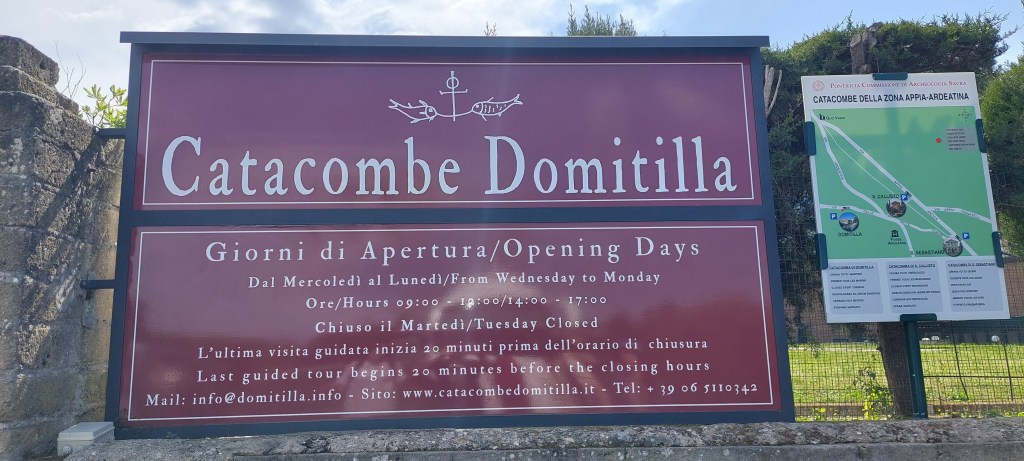
We unexpectedly had a longer stretch of free time, so our group decided to visit the Catacombs of Domitilla. It was farther outside the city center, but we arranged transportation through our coach.
If you go expecting something like the Paris Catacombs, you’ll probably be disappointed. Fortunately, we went in with an open mind and ended up learning far more than we expected. It was incredibly insightful in understanding the beliefs surrounding the afterlife, burial practices, and the measures taken to protect the dead from theft and desecration.
These catacombs are among the oldest and largest underground cemeteries in Rome and included a partially sunken church. The site dates back to around 120 AD and was connected to the Flavia Domitilla family property.
I’m glad we visited, but I wouldn’t place it on a first-time “must-see” list for Rome.
📋 Things to Do:
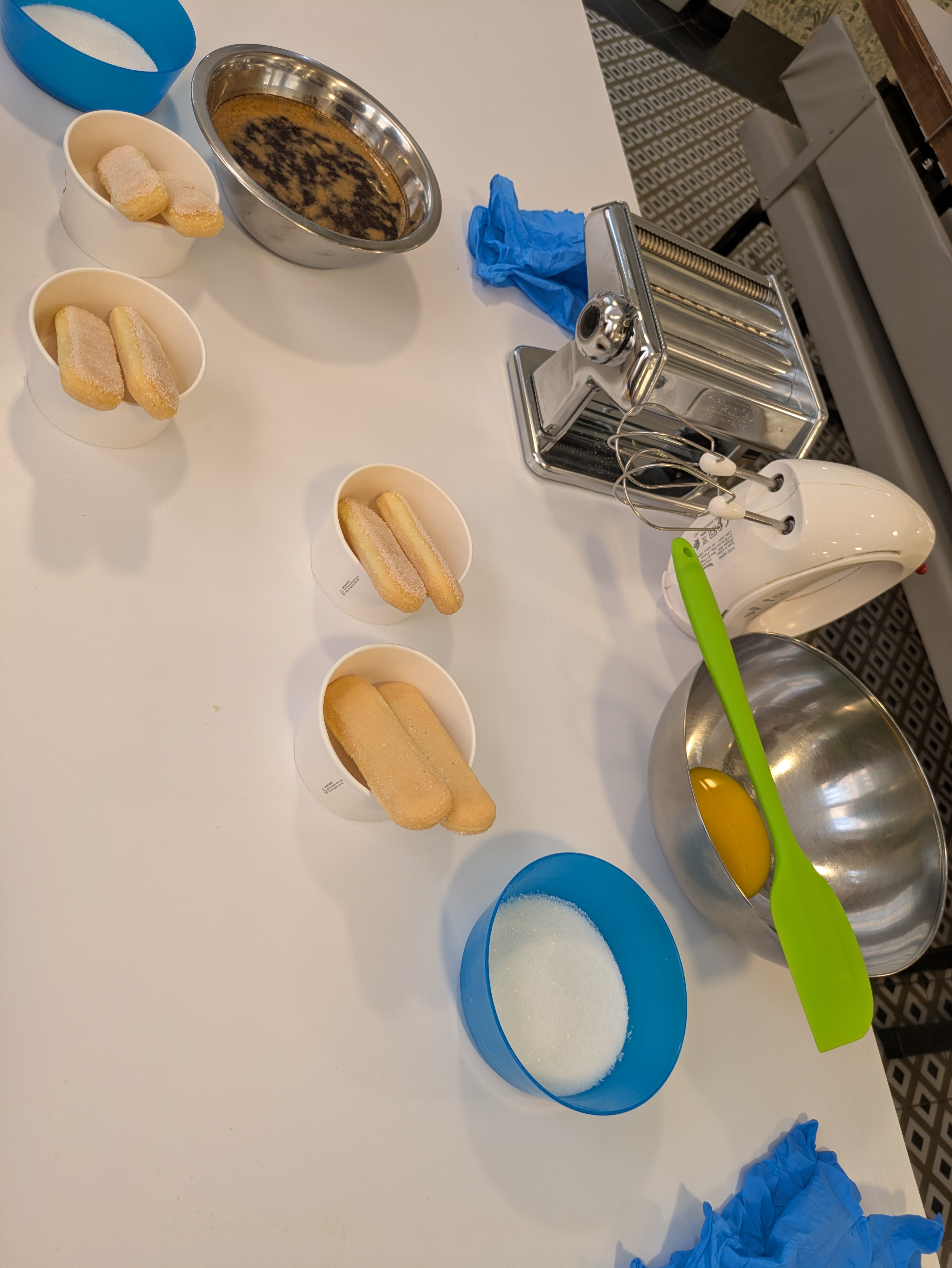
🍝 Cooking Class: InRome
Cooking Classes €100ish per person. Group of 15 people
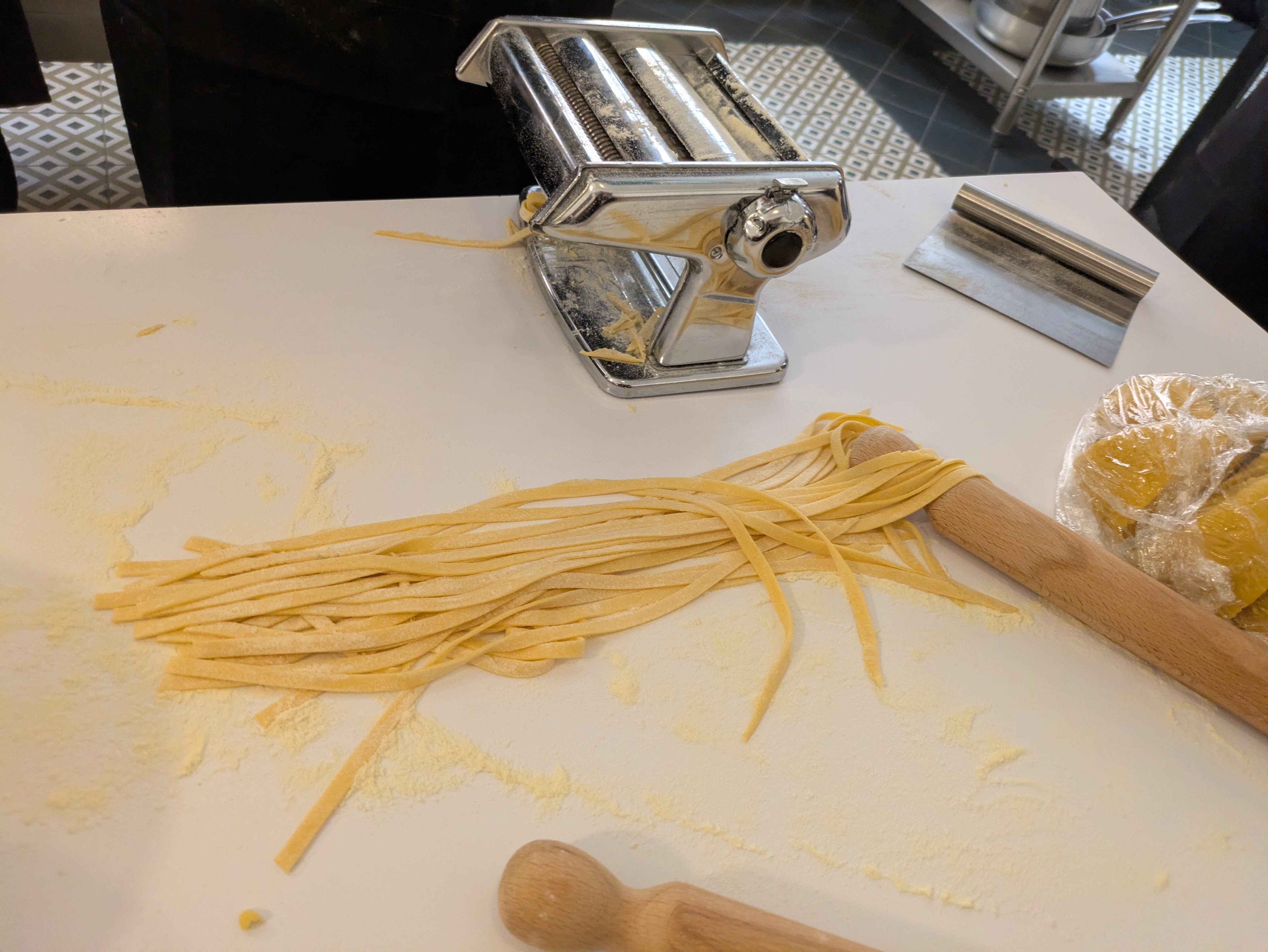
We had a huge chunk of free time so our group opted to do a cooking class that came recommended from our Tour Director. We book the Pasta and Tiramisù class.
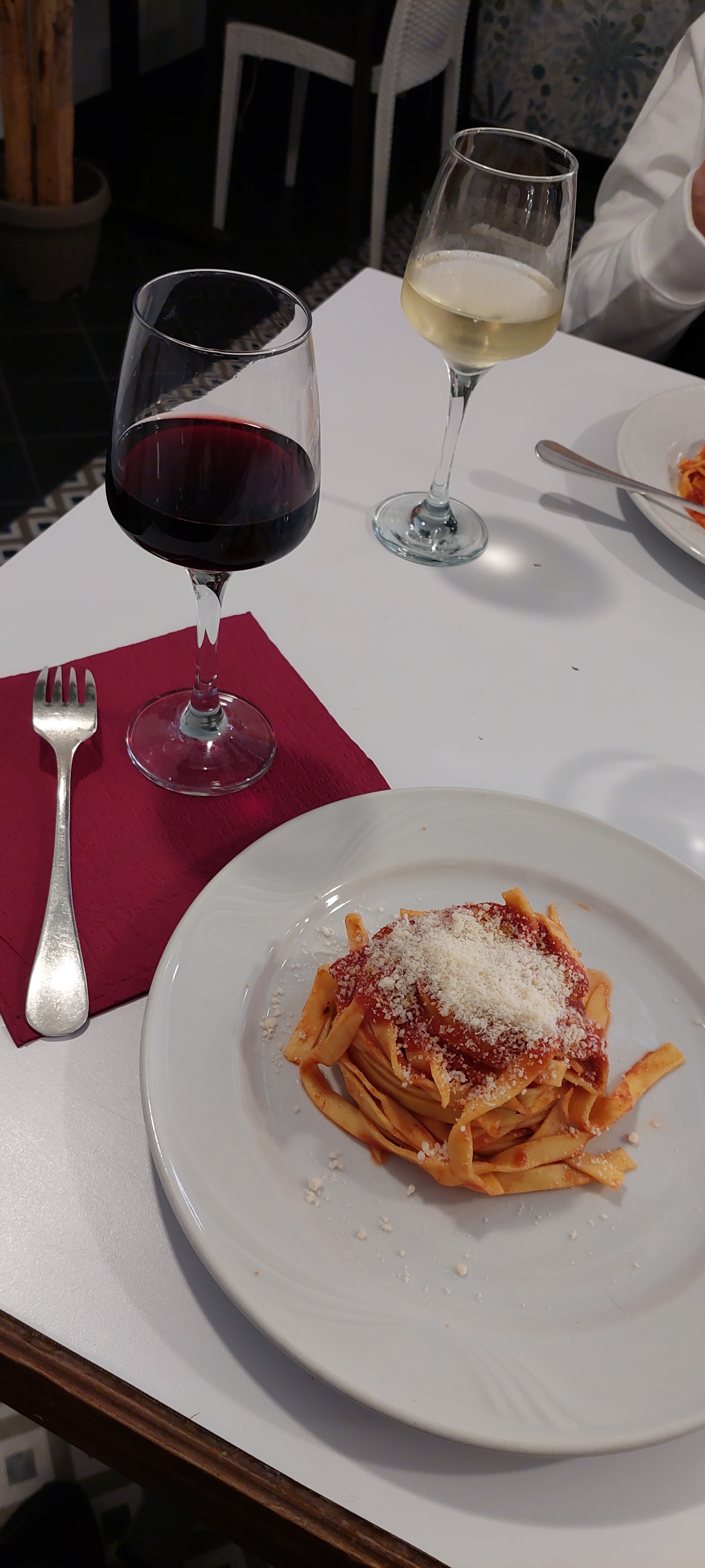
I must say, this became one of the highlights of our trip. The experience took our little group from acquaintances to feeling like family. The process InRome created with having each of us make our own individual serving of pasta before combining everything together as a group was such a fun and memorable experience. Sitting around the table together afterward and enjoying the fruits of our labor or maybe the dough of our labor made the night even more special. This became a core memory for everyone on the trip.
🍕🍨Food: Pizza and Gelato:
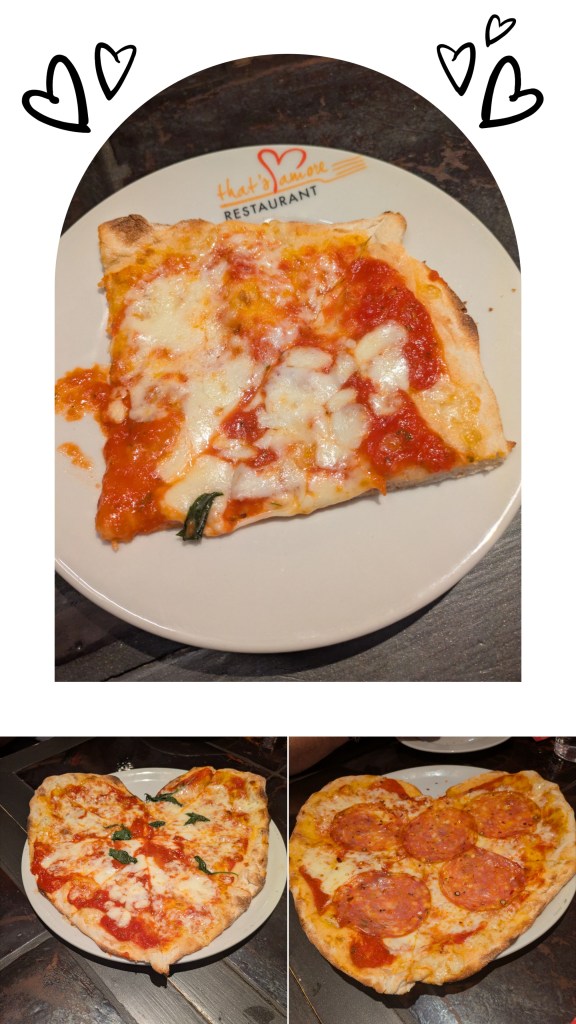
Our first dinner in Rome just had to be pizza. We sampled several varieties including marinara, margherita, diavola, cinque terre, and focaccia. Every pizza tasted distinct and amazing, but the cinque terre with pesto ended up being my favorite.
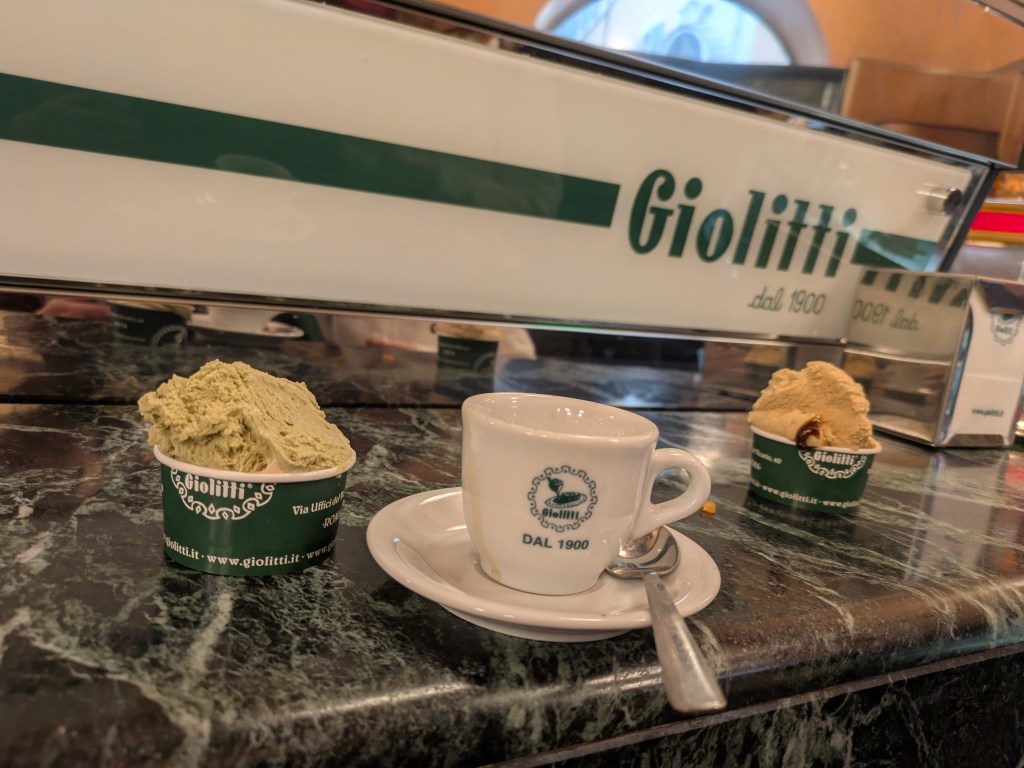
I stand by this statement: this was the best gelato I’ve ever had in my life. Considering one of my life goals is basically trying gelato and ice cream everywhere I travel, I’d like to think I have a solid comparison pool.
Founded in 1890, Giolitti has maintained its artisanal quality and authenticity for generations. Located near the Pantheon, this is an absolute must visit while in Rome.
He got pistachio and I got salted caramel and caramelized fig. And yes, I do still think about this gelato.
🇻🇦 Vatican City:
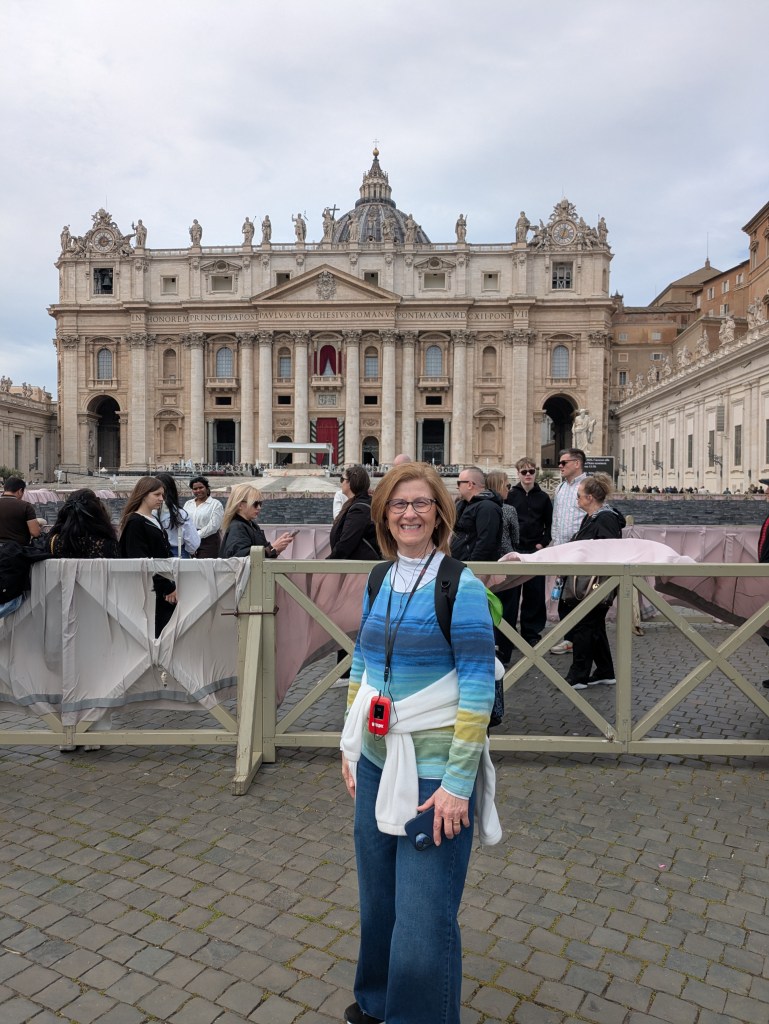
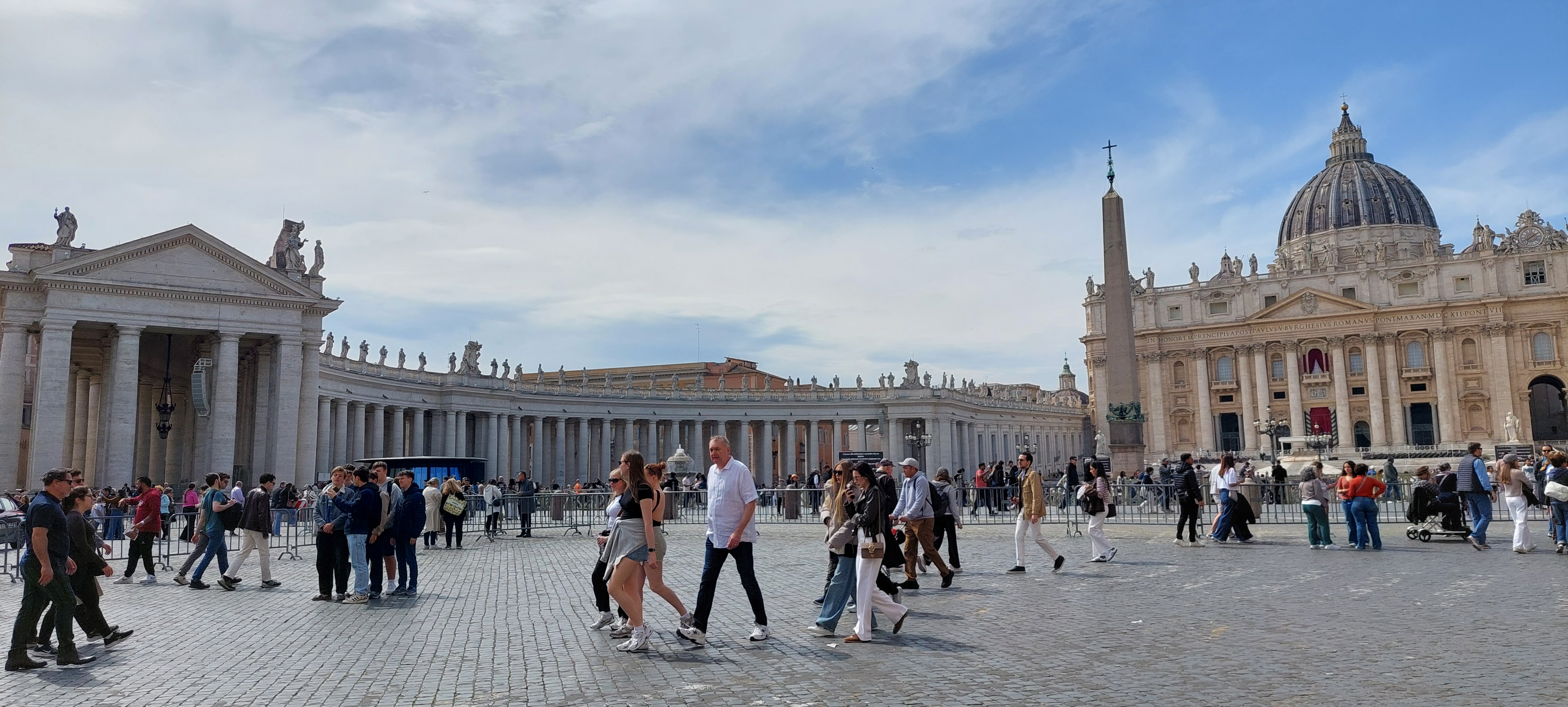
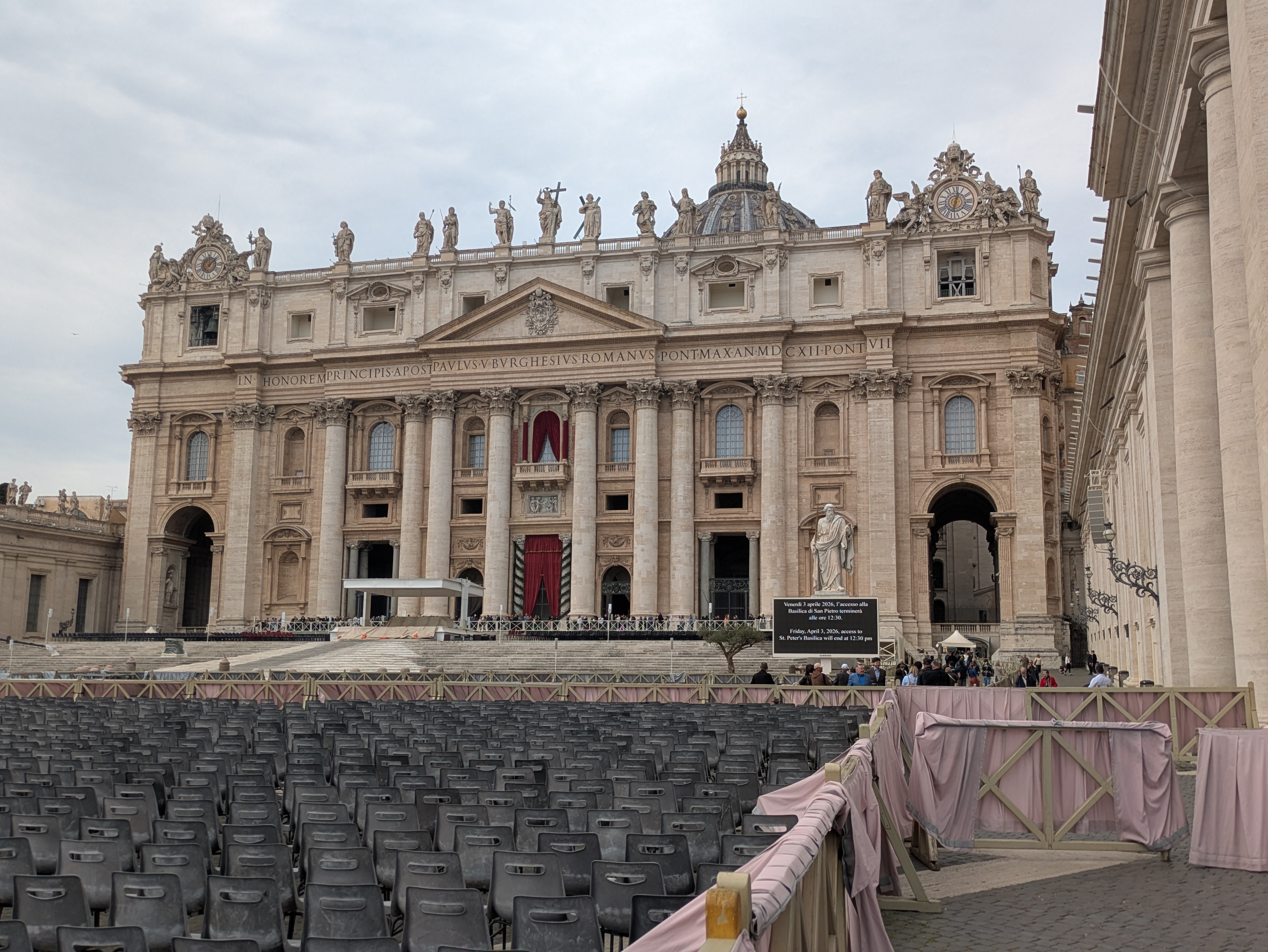
When deciding where we wanted to travel with EF Tours, Vatican City was the main reason we chose this itinerary combination. On a previous EF trip, we met travelers who said one of the biggest advantages of touring with a group was bypassing the Vatican entry lines. After hearing that, we were sold.
The morning we arrived, we grabbed coffee from a nearby corner shop and looked toward the Vatican entrance. The line wrapped endlessly around the block. Meanwhile, our group moved to a separate entrance area, waited for our designated time slot, and entered with relative ease.
As someone who normally researches, plans, and handles all travel logistics myself, I would absolutely choose this route again for Vatican City.
Vatican City: Adult €76 -€163. Since we traveled through a tour company, I’m not entirely sure what our actual admission rate was, but if you’re booking independently, it’s highly recommended to reserve Vatican Museums and Sistine Chapel tickets in advance. You must also have your shoulders and knees covered to enter both the museums and the chapel.
Our guide walked us through the Vatican Museums, the Sistine Chapel, and St. Peter’s Square.
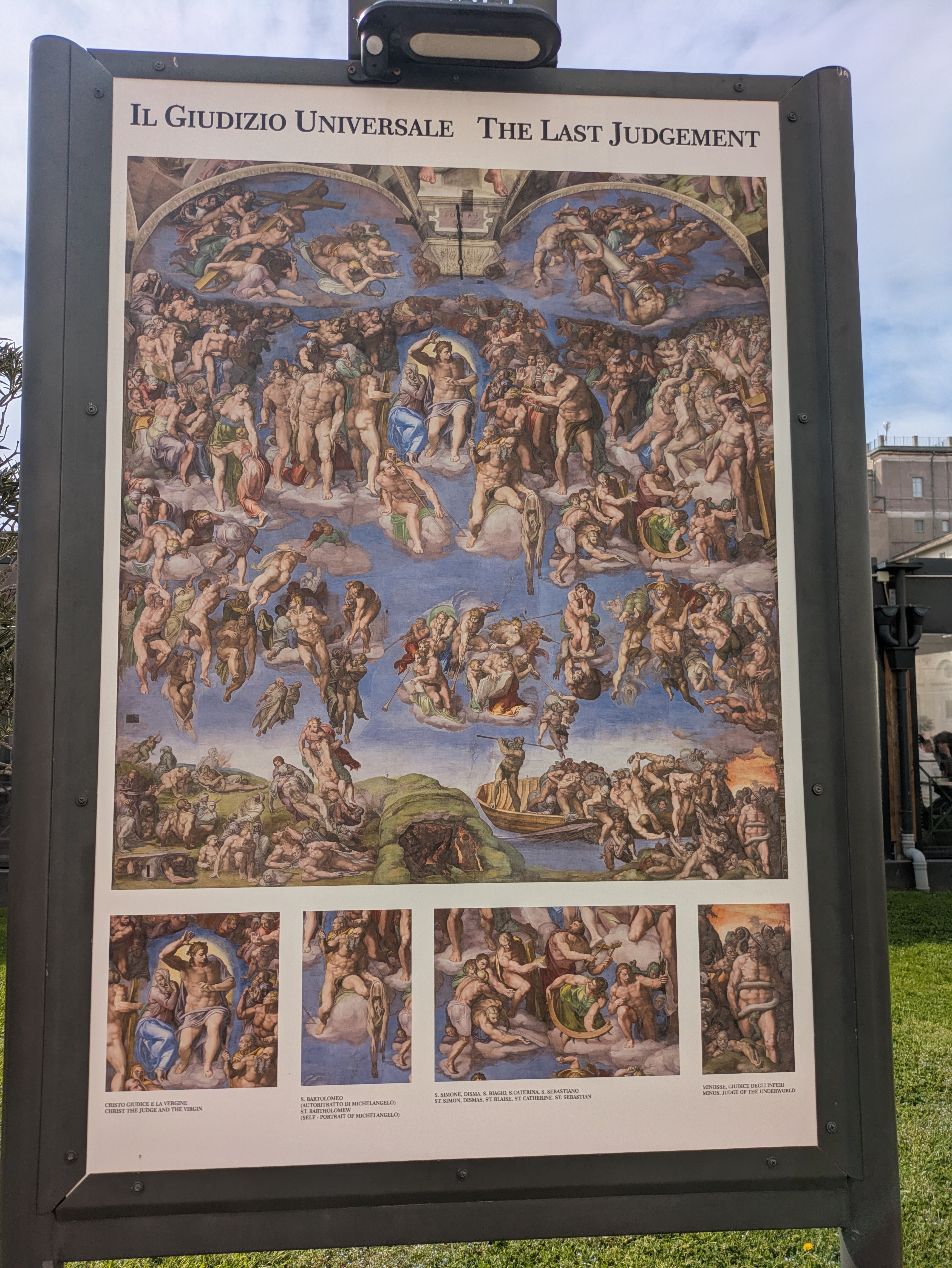
Before entering the Sistine Chapel, she gave an incredibly detailed explanation of Michelangelo’s process and the chapel’s history. I’m grateful she did because once you enter, there’s barely time to absorb everything before being ushered along. You maybe get fifteen minutes to take it all in.
One detail that stuck with me was how Michelangelo initially refused the commission three times before finally accepting it. Since he considered himself a sculptor rather than a painter, the project came with a steep learning curve. Early sections of the ceiling featured smaller figures, but as he progressed, he realized the scale and proportions wouldn’t translate well from the floor below, so the figures gradually became much larger over time. Despite popular belief, he didn’t lie down to paint. He stood upright, neck craned upward, to complete the work overhead.
Unknown to us at the time, we didn’t realize that restoration work on the Sistine Chapel had recently been underway. When I returned home from the trip, a coworker asked if there had been scaffolding in the room. We lucked out, the restoration had just been completed before our visit, so our view and experience were completely unobstructed.
💭 Final Thoughts:
We loved Rome because we enjoy wandering uneven cobblestone streets and getting lost in the city. The downside of traveling with a tour company is that you can’t always spend as much time as you want in the places that resonate most with you, you have to stick to the schedule. There’s still so much more to Rome to discover.
I would absolutely return to Rome to explore places like the Colosseum, Roman Forum, and Vatican City in greater depth. Rome is a city built in layers both literally and historically. Therefore there are endless hidden gems waiting to be researched and discovered. I also always have room for more gelato.
But honestly, the best souvenir from this trip was sharing the experience with my mother. Traveling through Europe and seeing these historic places was something she once believed was unattainable, something she never imagined she’d do.
I can now quote her while watching mass on Easter Sunday, “I was there.”