
After spending some time at Golden Gate Park in San Francisco, I decided it deserved its own separate blog post. There are a few reasons for this: First, the park is 200 acres larger than Central Park in NYC. Second, there are free visiting times to take advantage of. And third, the SF City Guides program is an incredible resource worth highlighting.
Golden Gate Park spans 1,017 acres of endless possibilities. You can explore everything from athletic fields and Segway tours to bike rentals, food trucks, restaurants, gardens, lakes, waterfalls, picnic rentals, music concourses, and free park shuttles. Find what speaks to you, in the park, and explore.
The three gardens I will be focusing on in this post is: Conservatory of Flowers, Botanical Gardens, and Japanese Tea Garden. You do need to purchase tickets for entrance. All SF residents and veterans admission is free. For each garden I will highlight the free at given times. You can find more information and purchase tickets at the Gardens of Golden Gate Park website.
Conservatory of Flowers: Free admission on the 1st Tuesday every month.
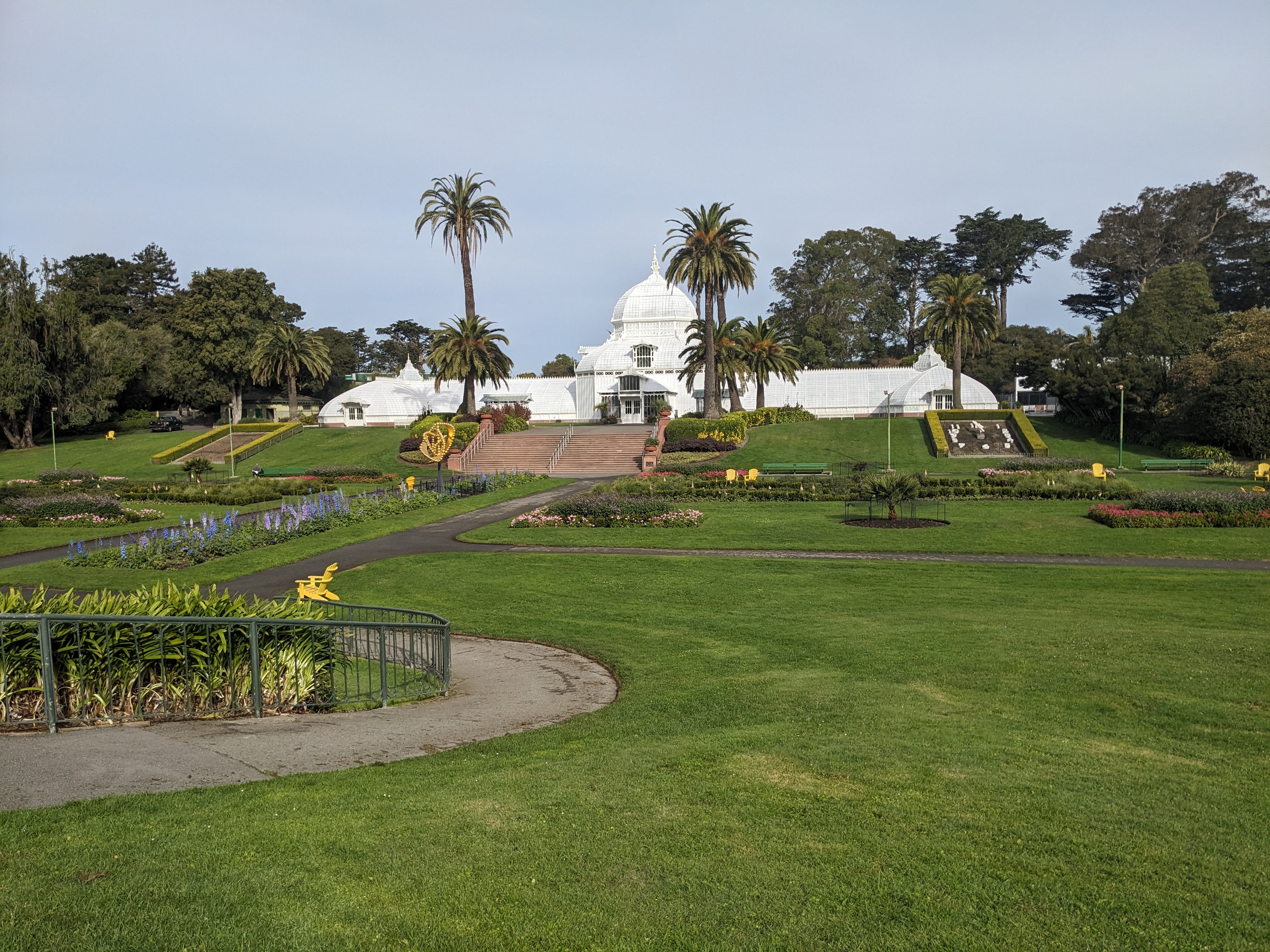
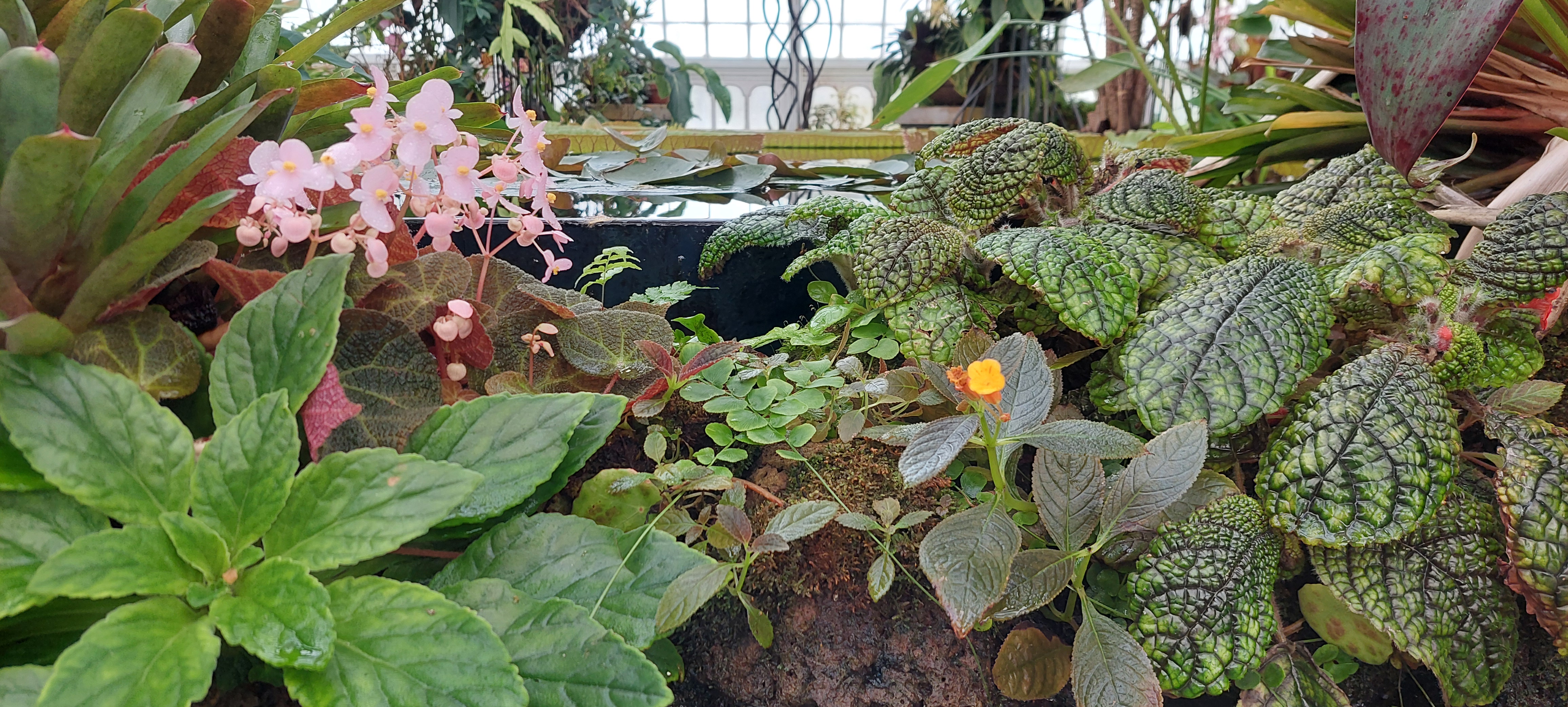
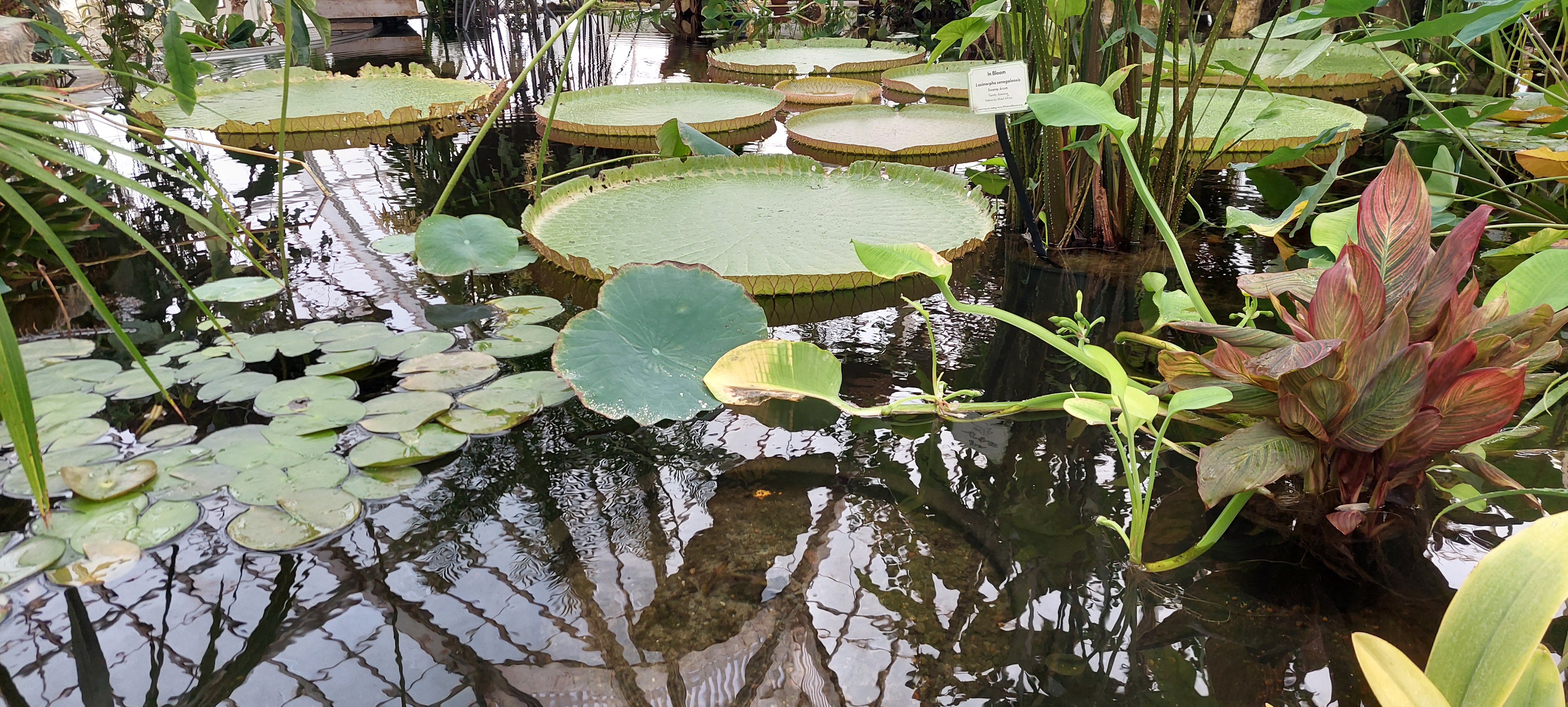
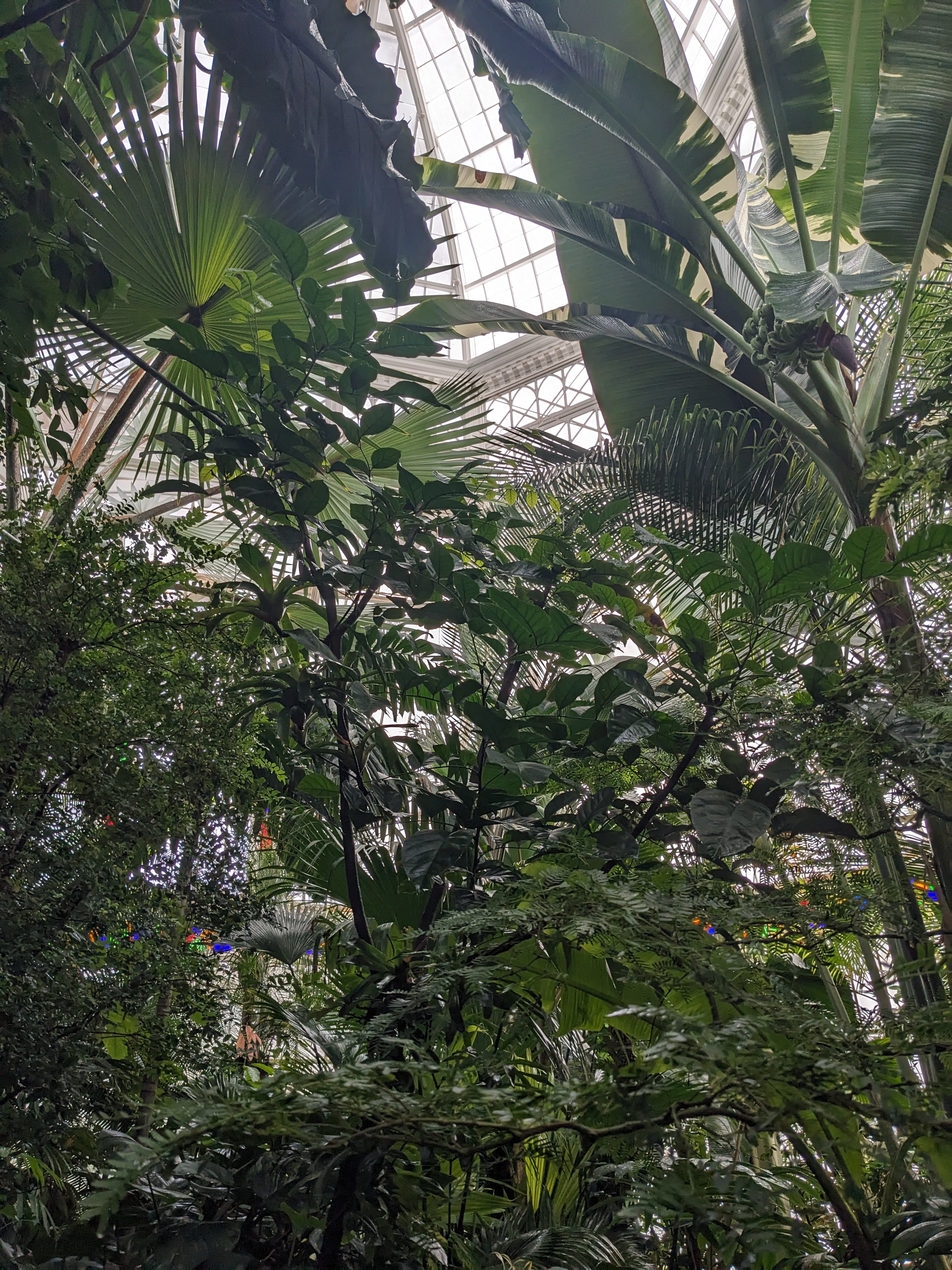
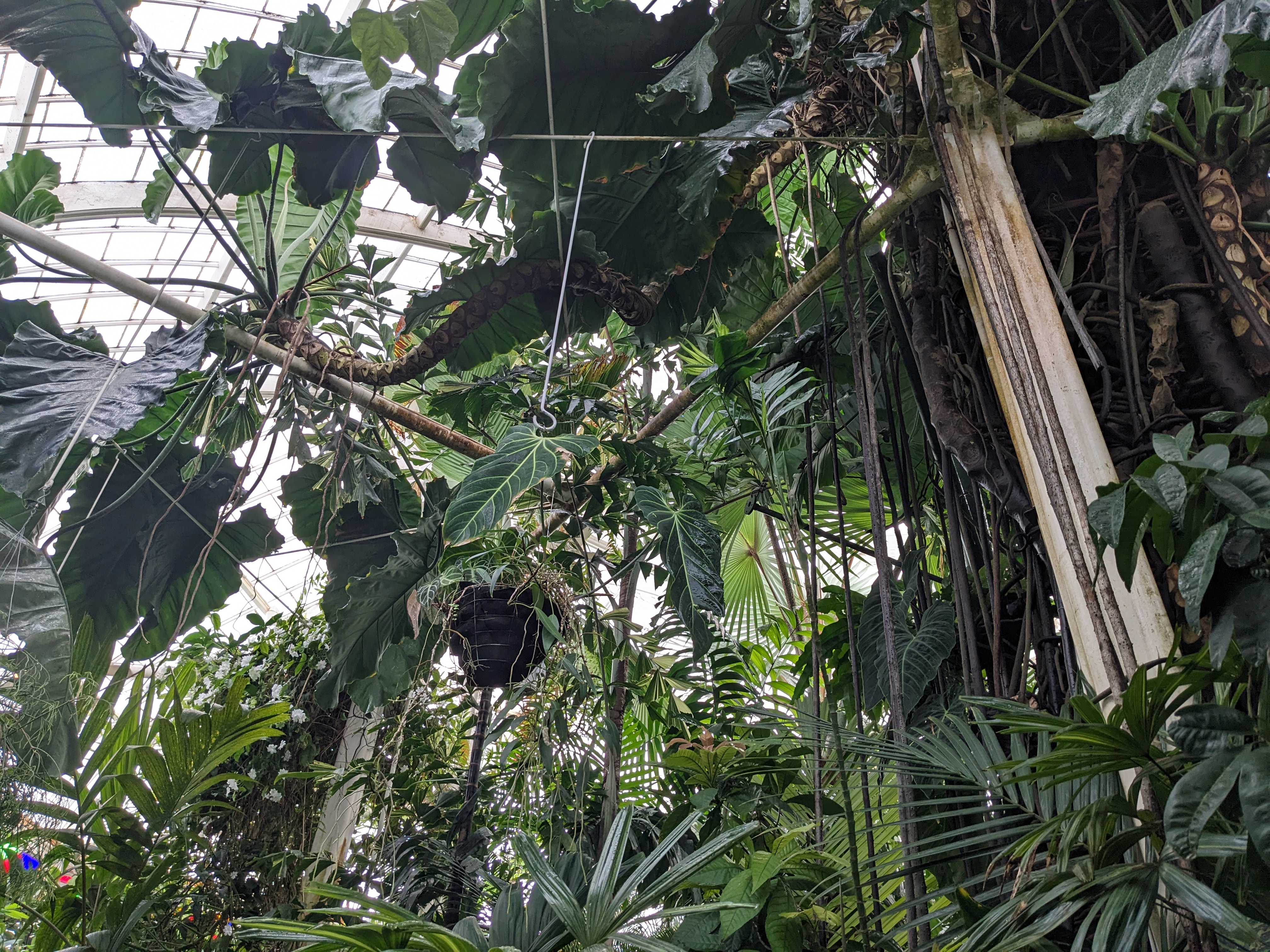
The Conservatory of Flowers is the smallest of the three gardens, but it’s packed with beauty. Inside, you’ll find aquatic plants, tropical exhibits (both highland and lowland), a west gallery, and even a koi fish pond. We roughly spent an hour exploring every nook and cranny of the garden.
A fun update: starting November 8, 2024, the Conservatory of Flowers will host a free nightly light show featuring music and psychedelic visuals. It begins 30 minutes after sunset and runs until midnight, looping throughout the night.
Botanical Gardens: Free admission from 7:30am – 9am daily and the 2nd Tuesday of every month, Thanksgiving Day, Christmas Day, and New Years Day.
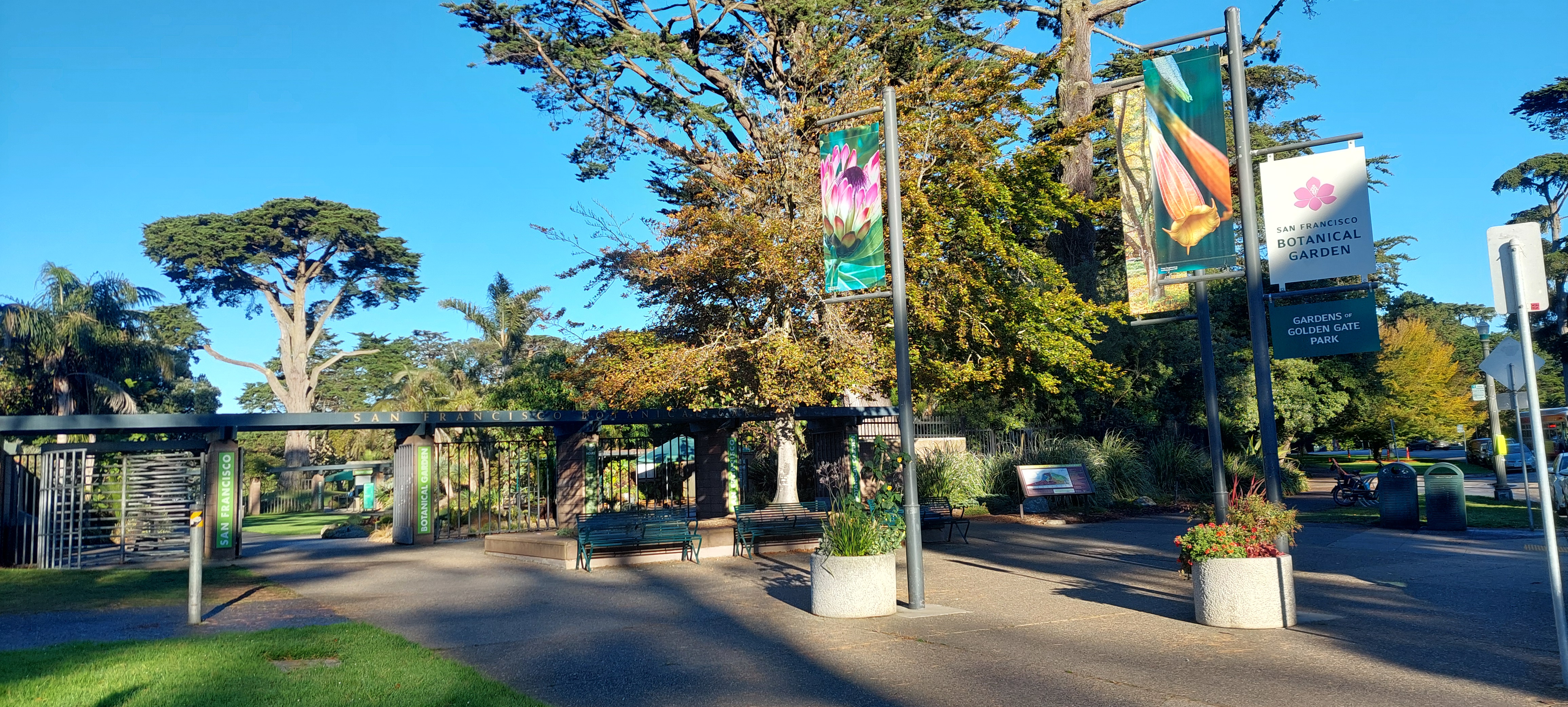
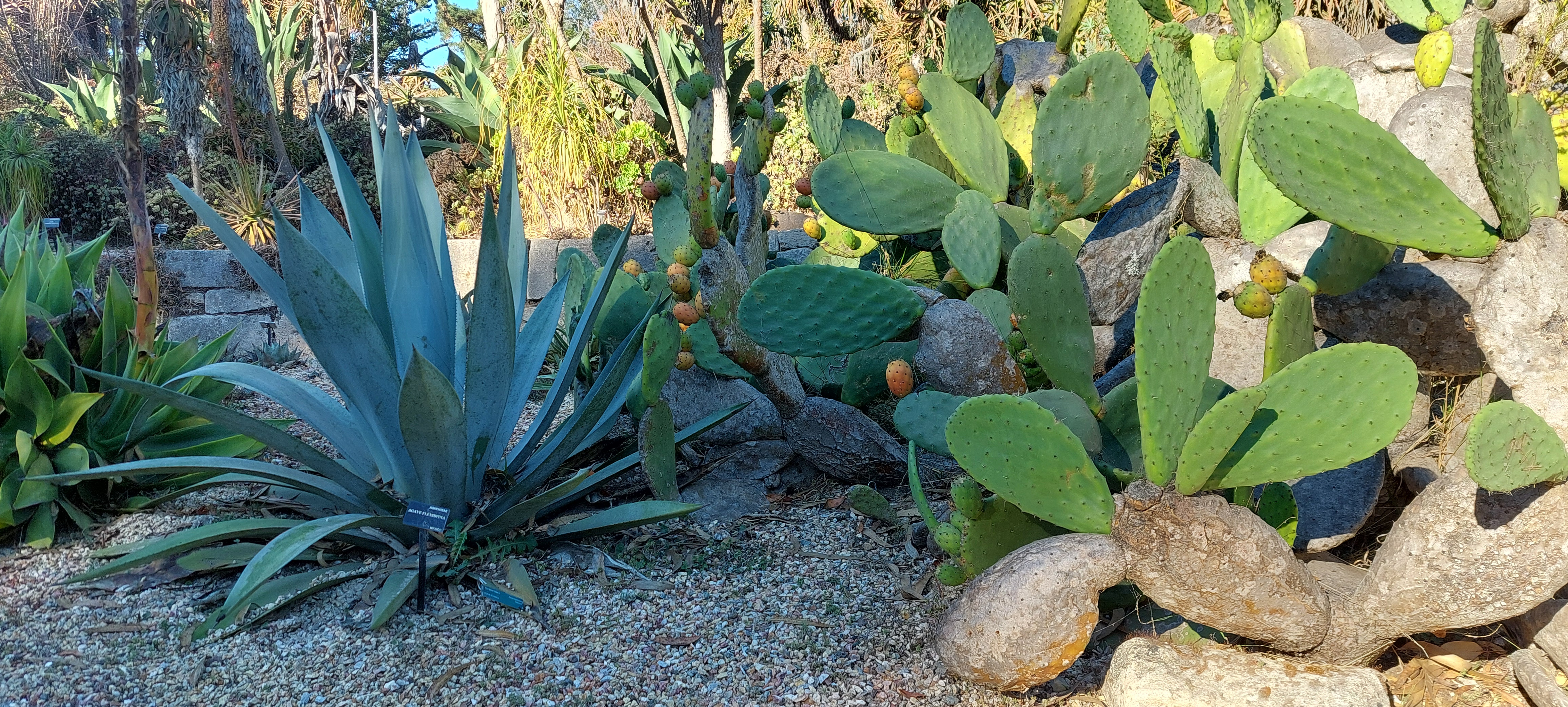
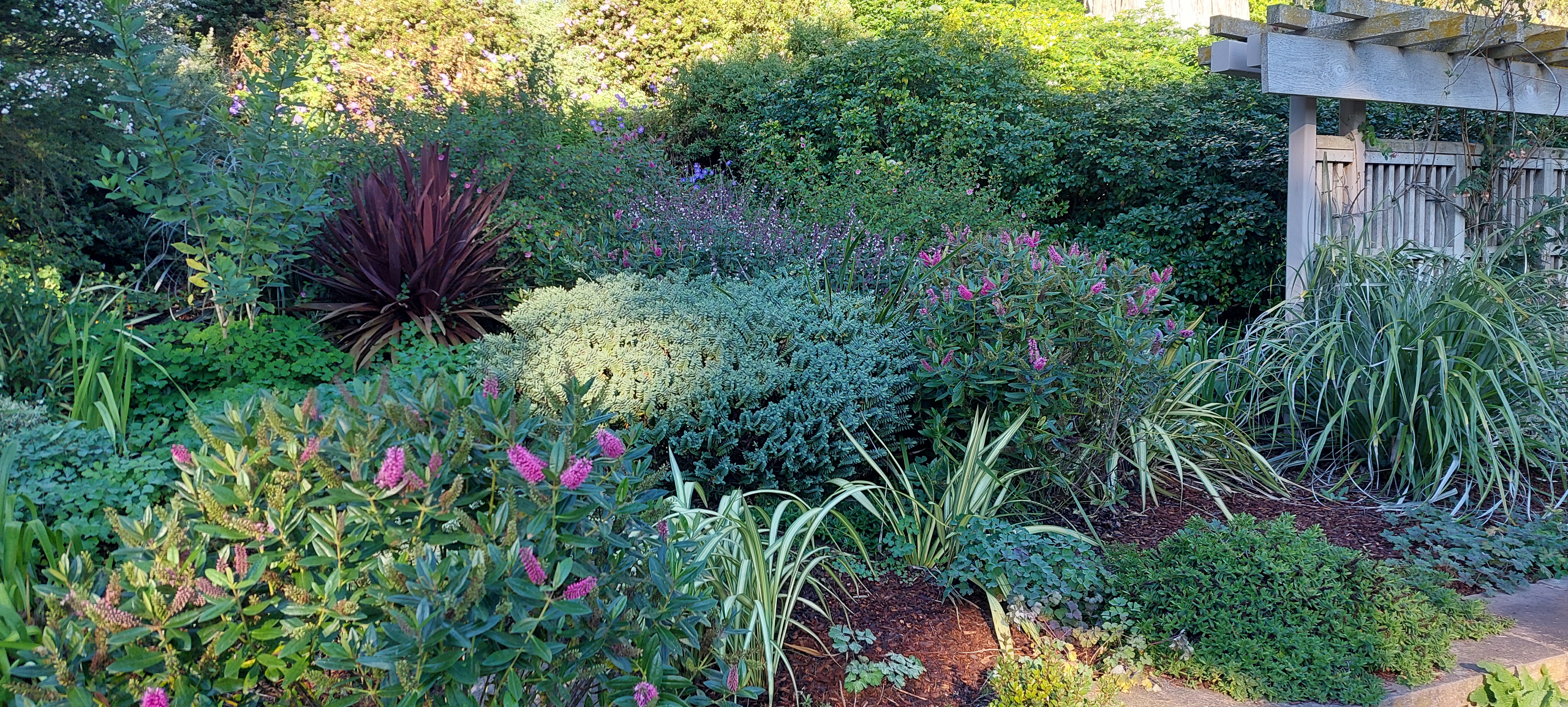
The Botanical Gardens has 55-acres with over 8,000 plant species from around the world. San Francisco’s unique climate, shaped by coastal fog and mild temperatures, provides the perfect conditions for a diverse range of plants. Plan for at least 2-4 hours to fully enjoy everything this garden has to offer. During your visit refer back to their map and garden explorer on their website to learn about the collections in more detail.
Japanese Tea Garden: Free admission from 9am – 10am on Mondays, Wednesdays, and Fridays.
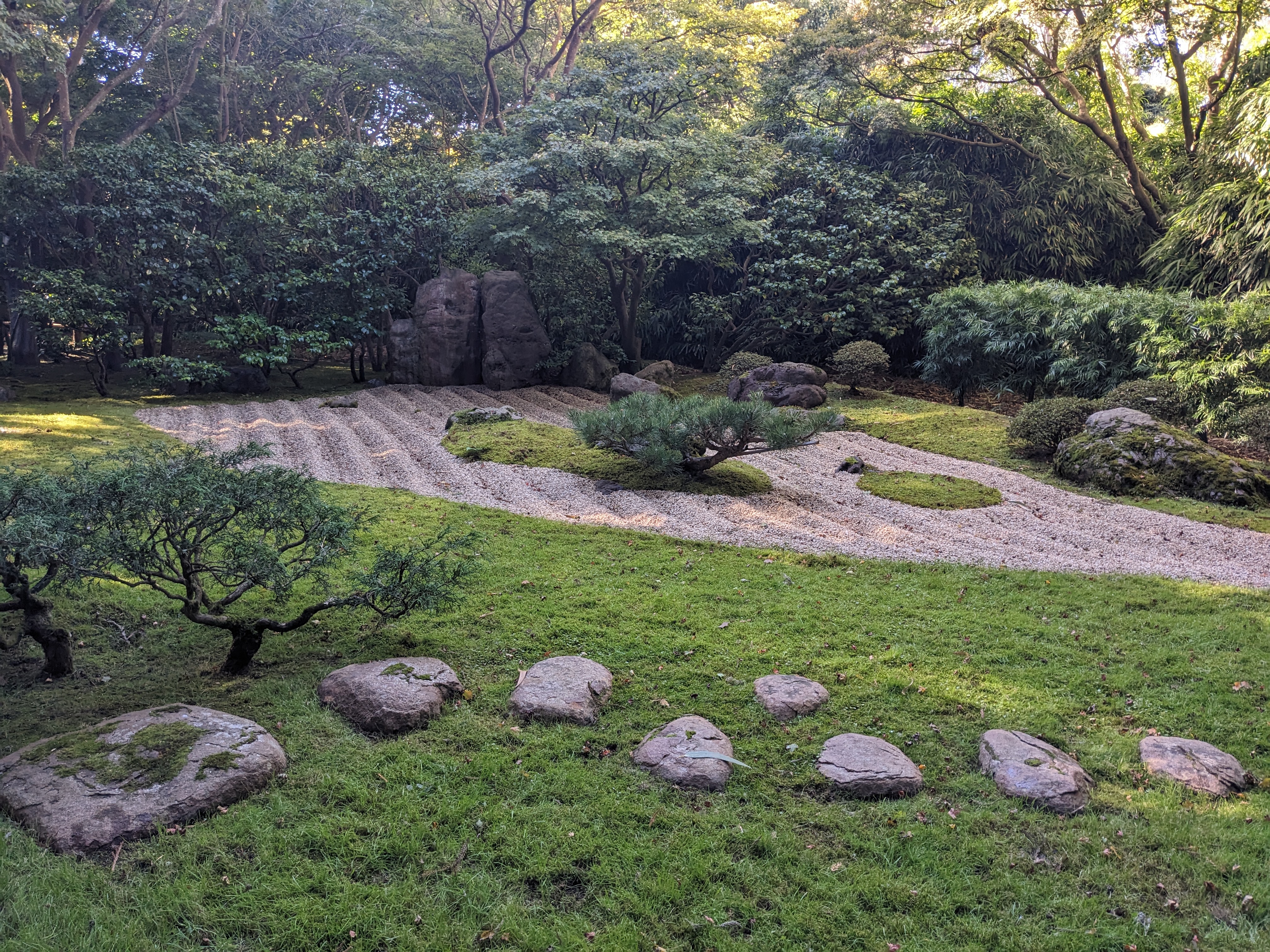
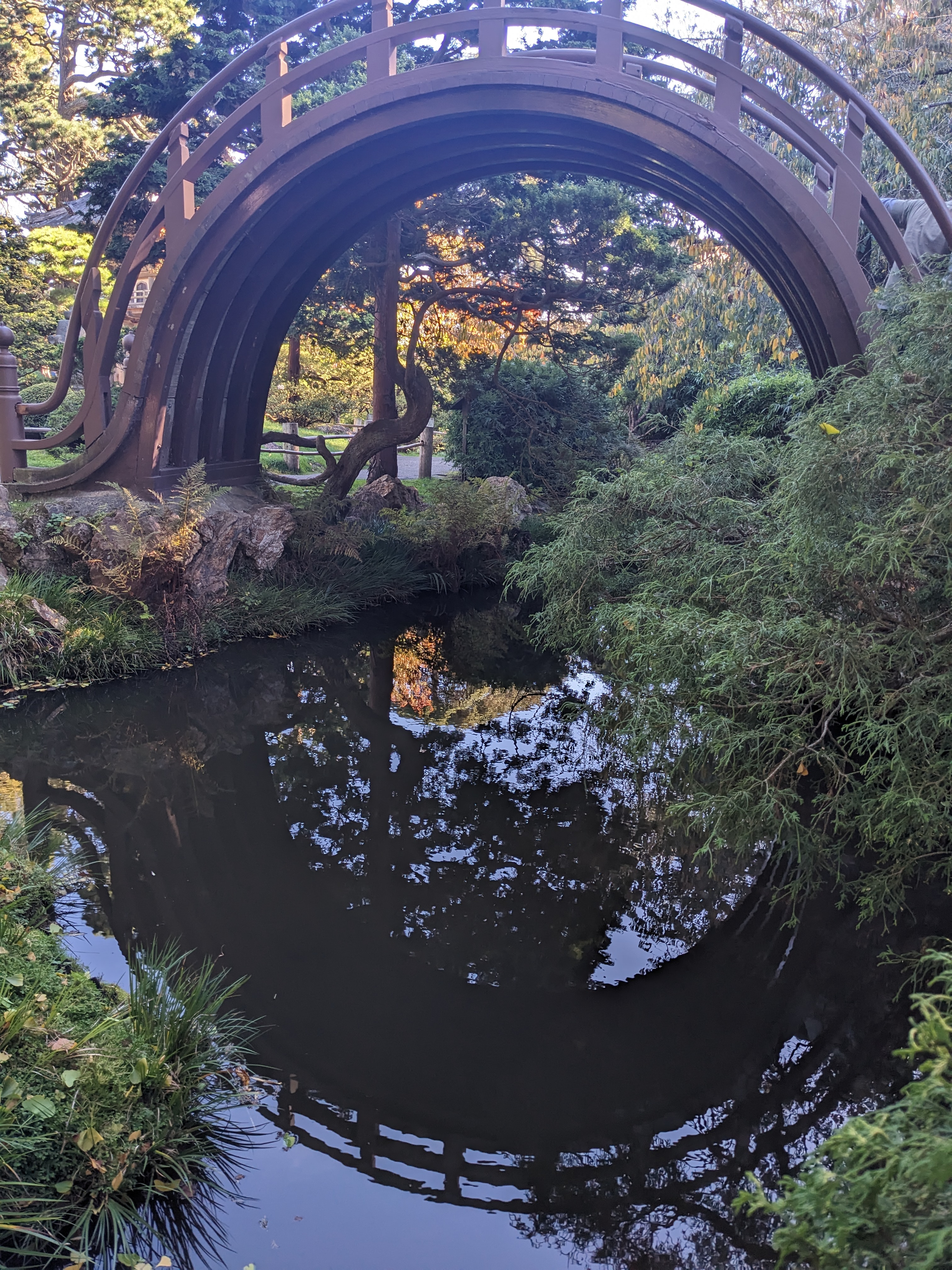
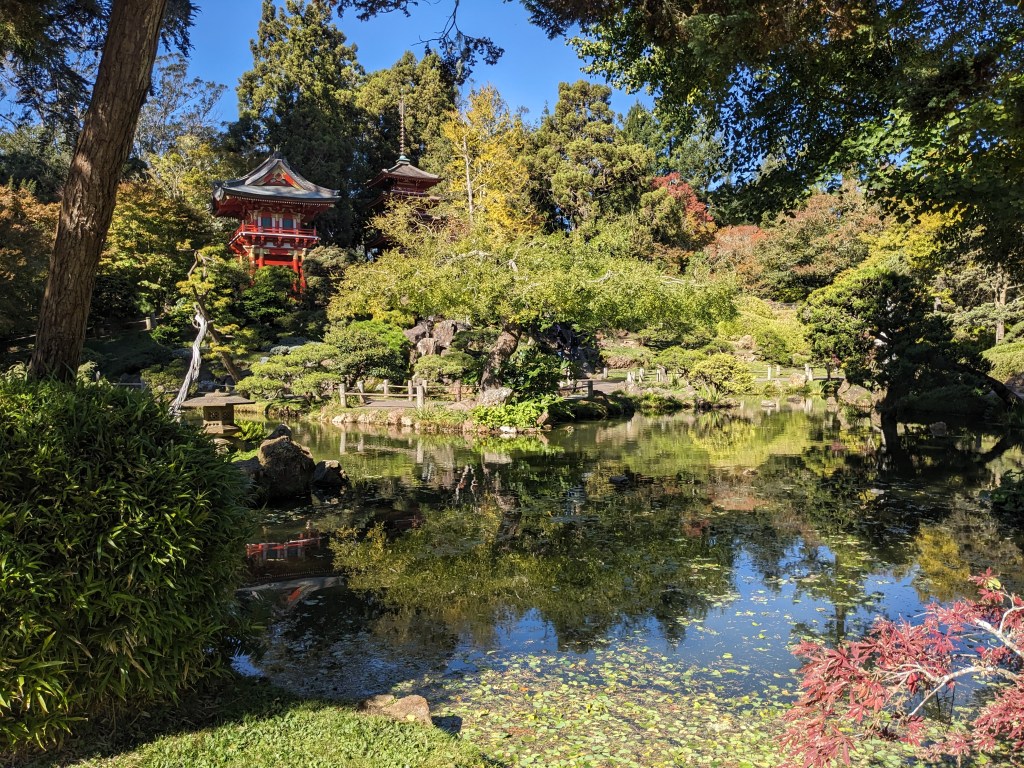
The Japanese Tea Garden was hands down my favorite of the three, and I think it’s because we had the added bonus of a free tour provided by SF City Guides. The garden itself is beautiful, but the history shared during the tour really deepened our appreciation for the space and the Hagiwara family, who helped make the garden what it is today.
I’m going to do my best to recall the history from our tour to present you the history of the Japanese Tea Garden. The garden began as an exhibit of a Japanese village at the 1894 World’s Fair, created by George Marsh. It was so successful that John McLaren, the superintendent of Golden Gate Park, decided to make it a permanent feature. He hired Makoto Hagiwara to maintain and care for the garden.
The Hagiwara family eventually made the garden there home, expanding it by importing Japanese plants, birds, and koi, to triple its size. After the 1915 Panama-Pacific International Exposition, they added features like the South Gate, Temple Gate, and Pagoda to the garden.
With the onset of WWII, the family was forced into an internment camp in Topaz, Idaho. During this time, the garden was renamed the “Oriental Tea Garden.” The Hagiwara family had a vast private collection, and Samuel Newsom agreed to hold and care for it until further notice.
When WWII ended and the family was released from the internment camps, they asked Samuel Newsom to sell their collection to raise money for their relocation. Hugh and Audrey Fraser purchased the collection, and when they passed away, the collection was willed back to the garden, where it remains today. The Hagiwara family eventually returned to the Bay Area, but they no longer have any affiliation with the garden.
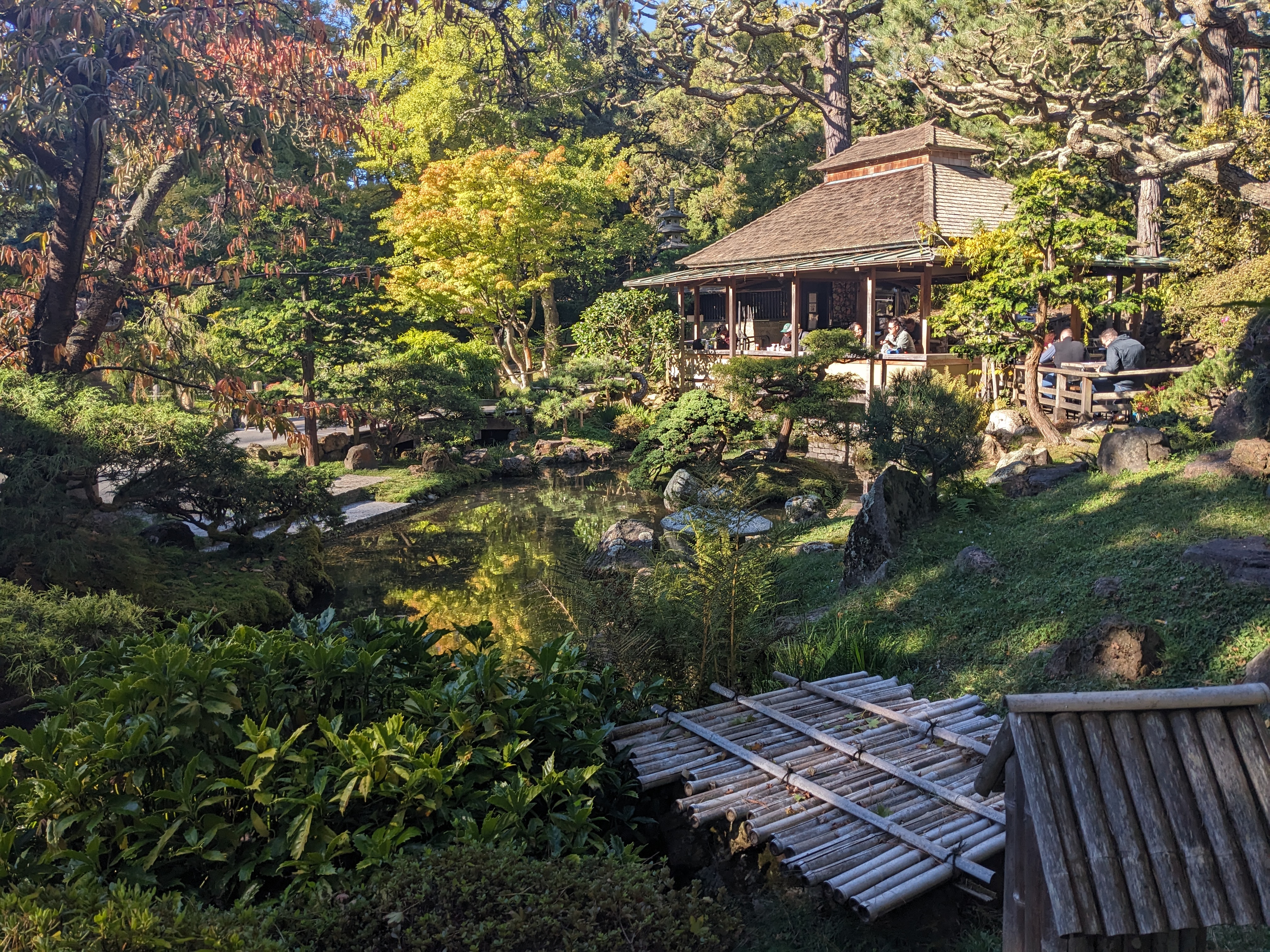
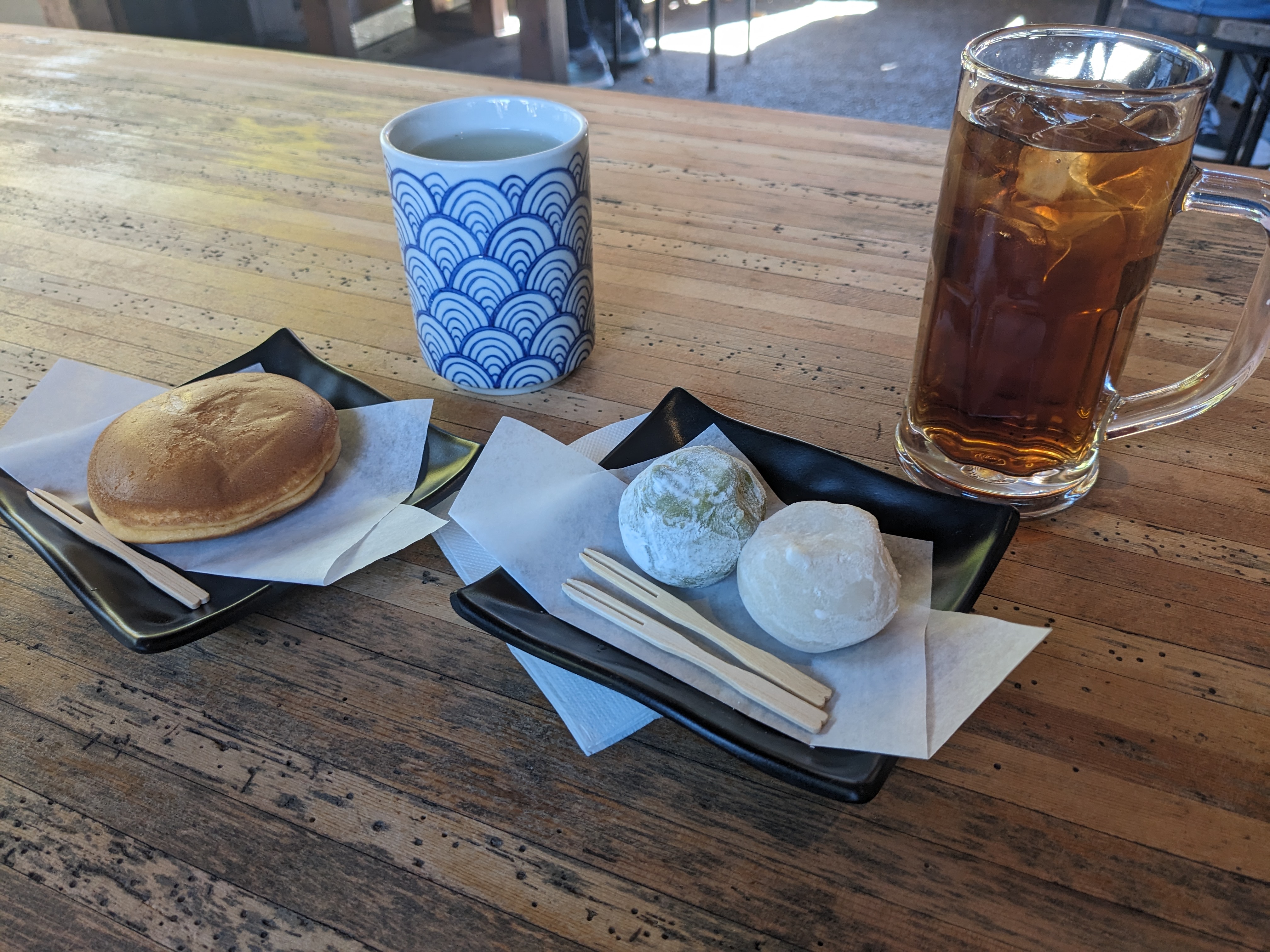
The Japanese Tea Garden is a “stroll garden,” designed with specific scenes in mind to evoke tranquility and harmony. Highlights include the pagodas, stone lanterns, koi ponds, zen garden, and the iconic drum bridge (which was featured in the movie Memoirs of a Geisha). There is a tea house for you to enjoy a hot/cold beverage and a small snack. I would love to come back in March or April to see all the cherry trees be in full bloom.
SF City Guides: FREE!!
We discovered the SF City Guides program late in our visit, but we were lucky enough to catch a tour of the Japanese Tea Garden. If I had known about the program earlier, I would have rearranged our trip to coincide tours and locations we visited.
This program has over 70 unique tours, 300 guides, and has been running for 46 years! Quite impressive and I love anything that has to do with the library. Tours usually last around 90 minutes and donations are welcomed to continue to support their mission in preserving SF’s history. All the information we received during our Japanese Tea Garden Tour was because of this program.
It’s an incredible program that I believe should be replicated in other cities and states.
 Capsule Customs Travel